5 Essential Winter Snowplow Maintenance Tips
- Share
- Issue Time
- Apr 22,2026
Summary
Keep your snowplow running smoothly and avoid costly repairs with these five essential maintenance tips. Proper care ensures maximum performance and safety all season long.
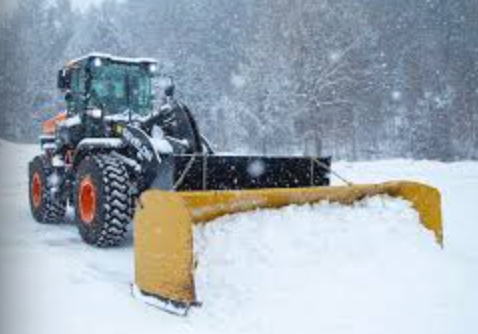
5 Essential Winter Snowplow Maintenance Tips
1. Hydraulic System Maintenance and Fluid Management
The hydraulic system is the heart of your snowplow's operation, providing the power to lift, angle, and control the blade. Proper hydraulic maintenance ensures smooth operation and prevents costly failures when you need your equipment most.
Daily and Seasonal Fluid Checks
Before each use, check hydraulic fluid levels with the plow blade lowered to the ground. For straight blades, fluid should be 2-3 inches below the top of the fill pipe, while for HDV and RDV blades, maintain 1-1.5 inches below the fill pipe . Never overfill the reservoir, as this can cause pressure buildup and potential seal failure.
- Check all hydraulic hoses daily for leaks, cracks, or abrasion damage
- Inspect fittings for rust and corrosion, especially in salt-treated areas
- Look for kinked lines or loose mounting supports
- Monitor hydraulic fluid consumption - excessive use indicates potential leaks
- Test all plow functions including raise, angle left, angle right, and lower operations
Annual Fluid Replacement Protocol
Change hydraulic fluid at the beginning of each plowing season to prevent condensation buildup during storage periods . Use only manufacturer-recommended hydraulic fluids, as mixing incompatible fluids can cause performance problems and system damage . For optimal performance in cold climates, select high-quality hydraulic fluid specifically formulated for low-temperature operation.
When draining hydraulic fluid, park on level ground, lower the plow, and fully collapse the hydraulic lift cylinder. Remove the drain plug and allow complete drainage before replacing with fresh fluid. Torque the drain plug to 17-28 N∙m (150-250 in-lb) as specified in manufacturer guidelines .
2. Cutting Edge and Blade Inspection
The cutting edge is your snowplow's primary contact point with the ground, making it the most critical wear component. Regular inspection and timely replacement prevent damage to the blade itself and ensure efficient snow removal.
Wear Monitoring and Replacement Guidelines
Inspect cutting edges before each season and monitor wear throughout winter operations. Replace cutting edges when they wear beyond 50% of their original thickness . For standard 5-inch blades, replacement becomes critical at 3.5 inches of remaining material . Uneven wear patterns may indicate improper blade alignment or operator technique issues that need addressing.
- Daily inspection for cracks, dents, or deformation
- Weekly measurement of cutting edge thickness
- Monthly torque check of all cutting edge bolts
- Immediate replacement of missing or damaged bolts
- Regular cleaning to remove built-up ice and debris
Built-up snow and ice on the blade adds unnecessary weight and strain to your equipment. After each use, thoroughly clear all accumulated material from the blade surface, frame, and hydraulic components. This practice not only maintains optimal performance but also prevents corrosion from salt and moisture retention.
Plow Shoe and Frame Alignment
Regularly check plow shoes for wear and ensure proper contact with the ground. Verify plow frame alignment and mounting hardware torque before each season . Misaligned frames cause uneven wear on cutting edges and reduce snow removal efficiency. For Power-V snowplows, periodically level the plow blades by adjusting the trip-spring eye bolts according to manufacturer specifications .
3. Electrical System Maintenance and Corrosion Prevention
Snowplow electrical systems face extreme challenges in winter conditions, including moisture, salt corrosion, and temperature fluctuations. Proper electrical maintenance ensures reliable operation of lights, controls, and safety systems.
Connector Protection and Battery Care
Apply dielectric grease to all electrical connectors before the season begins and reapply monthly throughout winter operations . This creates a protective barrier against moisture and corrosion while ensuring proper electrical contact. Check battery terminals for corrosion and clean as needed, coating terminals with dielectric grease to prevent future corrosion issues .
- Test all lights, warning beacons, and backup cameras
- Inspect wiring harnesses for damage, rubbing, or cuts
- Check routing to ensure wires avoid sharp edges and heat sources
- Verify proper connection of power cables directly to battery
- Test battery cranking power and charging system under load
Snowplow operations place extra load on vehicle electrical systems. Ensure your truck's charging system can handle the additional demand by testing output under load conditions. Consider upgrading to a heavy-duty alternator if operating multiple electrical accessories simultaneously.
Corrosion Prevention Strategies
Road salt accelerates corrosion of electrical components exponentially. After each use in salted areas, thoroughly rinse electrical connections with low-pressure clean water (avoid high-pressure washers near electrical components) . Dry connections completely before reapplying dielectric grease. For severely corroded areas, use fine sandpaper (P400 grit) to remove corrosion before applying rust converter and protective coatings .
4. Daily Cleaning and Rust Prevention Practices
Salt, moisture, and temperature fluctuations create ideal conditions for rapid corrosion. Implementing consistent cleaning routines significantly extends equipment lifespan and maintains operational reliability.
Post-Operation Cleaning Protocol
After each snow removal operation, immediately remove snow, ice, and salt residue from all equipment surfaces. Use soft brushes and low-pressure clean water rather than high-pressure washers, which can force moisture into bearings, motor interfaces, and electrical connections . Pay particular attention to areas where moisture tends to accumulate, such as blade mounting points, pivot joints, and hydraulic cylinder rods.
- Remove all snow and ice from blade surfaces and frame
- Rinse salt residue from metal components with clean water
- Dry all surfaces thoroughly with clean cloths or air blowers
- Wipe steel parts with anhydrous ethanol or desalination solution
- Inspect for new rust spots and address immediately
For metal components that frequently contact snow and salt, apply rust-preventive oil or wax to create a protective barrier. New equipment or rust-free areas benefit from epoxy rust-preventive primer or paraffin-based rust-preventive spray . Existing rust should be treated with rust converter before applying protective topcoats.
Lubrication of Moving Components
Daily greasing of all pivot points and moving parts reduces wear and prevents corrosion in critical areas. Use chassis grease on all pivot points and slide pins, applying with a standard high-pressure grease gun . For components without grease fittings, manually apply appropriate lubricants to ensure smooth operation. Check and adjust spring tension regularly, and paint over rusted springs and hardware with rust-converter primer followed by protective paint coatings .
5. Seasonal Storage and Pre-Season Preparation
Proper end-of-season storage and thorough pre-season preparation ensure your snowplow remains ready for immediate deployment when winter returns. These practices prevent deterioration during storage and identify issues before they become critical failures.
End-of-Season Storage Procedures
Never store equipment wet or encrusted with salt, as this accelerates corrosion during storage periods . Begin by giving your snowplow a comprehensive cleaning, paying special attention to hidden areas where moisture collects. Apply rust inhibitor to all metal surfaces before storage in a dry, covered location . If possible, elevate the plow slightly off the ground to prevent moisture absorption from concrete floors.
- Thoroughly clean all equipment components
- Apply rust-preventive coatings to metal surfaces
- Drain and replace hydraulic fluid to remove contaminants
- Cycle hydraulic system several times to distribute fresh fluid
- Document any issues noticed during the season for future repair
- Store in dry, temperature-controlled environment when possible
Flush and replace hydraulic fluid at season's end to ensure clean, contaminant-free fluid sits in the system during storage. This prevents condensation buildup and maintains fluid integrity for the next season . Cycle the hydraulics several times after fluid replacement to distribute fresh fluid throughout the system.
Pre-Season Inspection and Testing
Begin pre-season inspections at least 6 weeks before expected first snowfall . This provides adequate time to address any issues discovered. Start with a complete visual inspection of the entire plow system, looking for cracks, rust spots, or other damage. Test all functions including raising, lowering, and angling operations to ensure proper hydraulic performance.
Verify all mounting hardware torque specifications and tighten as needed. The constant vibration from plowing operations can loosen hardware over time, so periodic torque checks are essential . Install new plows early in the season to avoid repair shop delays during peak demand periods .
Don't neglect the vehicle itself—ensure your truck receives proper maintenance including oil changes, brake inspections, and suspension checks. Snowplowing places significant strain on pickup trucks, so comprehensive vehicle maintenance is equally important .
Implementing these five essential maintenance practices will significantly extend your snowplow's service life while reducing unexpected breakdowns during critical winter operations. Remember that preventive maintenance represents the single best investment in your snow removal business, with well-maintained equipment lasting 40% longer and experiencing 60% fewer breakdowns during peak season .
Establish a maintenance schedule that includes daily inspections during active seasons, mid-season comprehensive checks, and thorough end-of-season storage procedures. Keep detailed maintenance records to track component wear patterns and predict replacement needs before failures occur. By prioritizing these maintenance fundamentals, you ensure your snowplow remains a reliable asset throughout even the most challenging winter conditions.
Proactive maintenance not only saves money on emergency repairs but also protects your reputation as a reliable service provider when clients depend on you most during winter storms.