Achieve Long Lasting Hydraulic Breaker Performance
- Share
- Issue Time
- Mar 23,2026
Summary
Maximize Hydraulic Breaker Lifespan & Performance
Ideal for a page title or primary H1, It leads with a strong action verb ("Maximize") and groups the core benefits ("Lifenspan & Performance") that users search for.
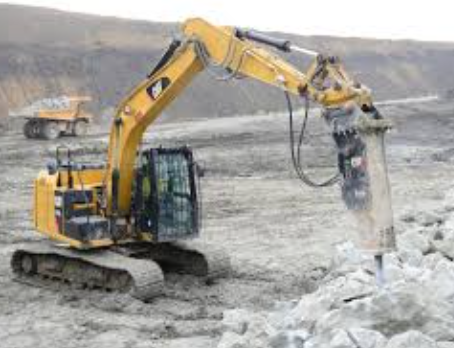
Achieve Long Lasting Hydraulic Breaker Performance: The Ultimate Maintenance Guide
Expert Strategies to Maximize Equipment Lifespan and Minimize Downtime
Core Principles for Hydraulic Breaker Longevity
- Consistent Lubrication: Proper lubrication is the single most important factor in extending hydraulic breaker life. Apply high-quality hydraulic breaker grease every 1-2 hours of operation, using specific lithium-based lubricant with 3% moly grease that can withstand temperatures up to 500°F . Automatic greasing systems provide continuous lubrication and reduce manual labor requirements.
- Correct Operation Techniques: Always maintain the breaker perpendicular to the working surface to avoid side loading and uneven wear. Never work "in the air" - ensure the chisel rests firmly on material before striking to prevent rebound damage to internal components . Use short, controlled blows rather than prying with the tool.
- Regular Visual Inspections: Conduct daily visual checks of hoses, connections, tool bushings, retaining pins, and the breaker shell. Early detection of wear patterns can prevent catastrophic failures and unplanned downtime .
- Hydraulic System Cleanliness: Maintain clean hydraulic oil and regularly change filters. Contaminants are among the most common causes of hydraulic breaker failure, causing scratches to internal components and reducing system efficiency .
- Proper Component Storage: Store hydraulic components in dry, dust-free environments and clean them with fresh hydraulic oil before use. Avoid harmful substances like water vapor, paint thinner, acids, or solvent cleaners that can corrode internal parts .
Comprehensive Maintenance Schedule
Daily Maintenance Checklist
- Check hydraulic oil level and temperature before operation
- Inspect all hoses and fittings for leaks, wear, or damage
- Grease tool and bushings as specified by manufacturer (typically every 1-2 hours of operation)
- Examine chisel for cracks or severe wear; replace if necessary
- Verify mounting bolts and coupler pins are secure and properly torqued
- Remove debris from breaker housing and tool area
Weekly Maintenance Tasks
- Check nitrogen accumulator pressure following manufacturer safety procedures
- Inspect mounting bolts and pins for tightness and proper alignment
- Perform thorough visual inspection of all wear components
- Clean hydraulic oil filters and check for contamination
- Verify proper hydraulic pressure and flow settings match breaker specifications
Monthly / 200-Hour Maintenance
- Change lubricant and clean oil filters where applicable
- Inspect seals and bushings for wear; replace if excessive play is detected
- Check valve function for abnormal play or slippage
- Replace or service wear parts: bushings, seals, tool retainers if worn
- Monitor hydraulic oil cleanliness and schedule filtration if needed
Annual / 1000+ Hour Maintenance
- Complete hydraulic system inspection with oil analysis
- Replace all filters and perform full system flush if contamination is detected
- Inspect piston and internal components for scoring or damage
- Have qualified service technician perform full rebuild if required
- Replace wear parts (valves, seals, bushes) per manufacturer service intervals
- Check accumulator system and recharge if necessary
Optimal Operation Techniques
Proper Break-In Procedure: When commissioning a new hydraulic breaker, avoid working at full capacity during the first hours. Perform short, gradual impacts to allow internal components to settle properly. Check grease levels and bolt tightening after initial use to prevent microcracks and irregular settling .
Tool Selection: Match tool points to specific applications. Moil points work well for general demolition, chisel points offer better control for trenching, blunt points excel at breaking large concrete sections, and pyramidal points handle hard, abrasive materials effectively .
Temperature Management: Monitor operating temperatures and allow cooldown periods if oil overheats. Continuous operation at high temperatures reduces efficiency and shortens component life . Alternate working periods with short pauses to prevent overheating .
Carrier Compatibility: Ensure the breaker matches the hydraulic flow and pressure of your excavator or carrier machine. Oversized breakers cause instability and risk of failure, while undersized units work below capacity and become overstrained . Consult manufacturer technical data sheets before selection.
Material Considerations: Adjust nitrogen charge pressure according to application and external temperature. Breaking rock requires different settings than demolishing concrete in parking lots . Follow manufacturer recommendations for specific working conditions.
Common Problems and Troubleshooting
| Symptom | Possible Causes | Recommended Actions |
|---|---|---|
| Low impact energy or soft blows | Worn chisel, worn bushings, low hydraulic flow/pressure, internal valve wear, dirty hydraulic oil, incorrect tool size | Check carrier flow/pressure settings, inspect and replace worn components, clean hydraulic system, verify proper tool selection |
| Slow blow rate | Clogged valve orifices, low system flow, oil aeration | Clean valve system, check hydraulic pump performance, bleed air from system |
| Excessive vibration or noise | Loose mounting pins, worn bushings, damaged piston/striker, internal component failure | Tighten all mounting hardware, inspect and replace worn bushings, check internal components |
| Hydraulic overheating | Long continuous operation, insufficient flow, hydraulic system inefficiency, incorrect oil viscosity | Implement work/rest cycles, check cooling system, verify proper oil viscosity, ensure adequate flow |
| Hydraulic leaks | Worn hoses, fittings, seal failure | Replace with OEM parts immediately to avoid contamination and further damage |
| Piston not returning | Possible gas charge loss (if gas-assisted), valve malfunction | Check accumulator system, inspect valve operation, consult certified technician |
Critical Safety Considerations
Pressure Release: Always depressurize hydraulic lines and release gas from accumulators before performing any maintenance. Many breakers contain high-pressure nitrogen components that can be dangerous if not handled properly .
Personal Protective Equipment: Wear appropriate PPE including eye protection, hearing protection, gloves, and steel-toe footwear during operation and maintenance .
Work Zone Safety: Never stand directly behind or in front of the chisel during operation. Establish exclusion zones to protect against flying debris .
Professional Service: Do not attempt to service gas-charged accumulators unless trained and certified. Follow all lockout/tagout procedures and manufacturer safety instructions .
Secure Mounting: Ensure proper mounting and use qualified technicians for installation. Verify flat mounting surfaces, correct pin alignment, and proper torque of mounting bolts .
Achieving long-lasting hydraulic breaker performance requires a disciplined approach to maintenance, proper operation techniques, and regular inspections. By implementing the strategies outlined in this guide—consistent lubrication, daily visual checks, proper tool selection, and adherence to maintenance schedules—operators can significantly extend equipment lifespan while minimizing downtime and repair costs.
Remember that the true value of a hydraulic breaker is measured not by its initial purchase price, but by its total cost of ownership over thousands of hours of operation . A well-maintained breaker can deliver years of reliable service, while neglected equipment often requires costly repairs and premature replacement.
For complex issues or when in doubt, always consult with certified technicians or authorized service centers. Use OEM replacement parts and follow manufacturer-specific recommendations for your particular breaker model. By partnering proper maintenance with quality equipment from reputable manufacturers, you ensure maximum productivity and return on investment from your hydraulic breaking operations.
Proactive maintenance is always more cost-effective than reactive repairs. Establish a regular maintenance routine today to protect your equipment investment and achieve the long-lasting hydraulic breaker performance your operations demand.