Discover the Advantages of Hydraulic Multi-Coupling Plates
- Share
- Issue Time
- Apr 13,2026
Summary
Hydraulic multi-coupling plates streamline complex fluid power connections, delivering unmatched efficiency and reliability. This video demonstrates their key benefits: reducing connection time during machine changeovers, minimizing leak risks with secure, single-point coupling, and enhancing system safety by eliminating loose hoses. Perfect for industrial automation, heavy machinery, and manufacturing, these plates ensure cleaner, faster, and more maintenance-free operations.
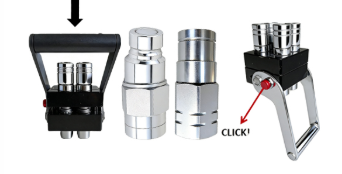
Discover the Advantages of Hydraulic Multi-Coupling Plates
Revolutionizing Industrial Efficiency with Simultaneous Connection Technology
In today's fast-paced industrial landscape, efficiency and reliability are paramount. Hydraulic multi-coupling plates represent a transformative solution for equipment requiring multiple hydraulic, electrical, pneumatic, or auxiliary circuit connections. These innovative systems enable the simultaneous connection of multiple lines through a single, guided interface, dramatically improving operational efficiency while enhancing safety and reliability across diverse applications.
Core Benefits of Hydraulic Multi-Coupling Plates
The adoption of multi-coupling plate systems delivers substantial advantages that directly impact operational performance and bottom-line results:
- Dramatic Time Savings: Traditional methods requiring individual connection of six to twelve hydraulic lines plus electrical connectors can consume valuable minutes during each changeover. Multi-coupling plates enable all connections to be made simultaneously with a single lever movement, reducing connection time from minutes to seconds .
- Elimination of Connection Errors: Fixed, keyed layouts physically prevent misconnection, ensuring circuits are always properly aligned. This eliminates the risk of incorrect hose routing, missed electrical plugs, and cross-connection of circuits that can lead to equipment damage or operational failures .
- Enhanced Safety and Environmental Protection: Flat-face coupling technology minimizes fluid leakage during connection and disconnection, reducing environmental contamination risks and improving workplace safety. The automatic safety lock prevents accidental disconnection during operation .
- Reduced Contamination Risk: Every manual hydraulic connection represents a potential contamination point. Multi-coupling systems significantly reduce exposure to dirt, moisture, and debris, particularly in outdoor or industrial environments where contamination control is critical .
- Connect Under Pressure Capability: Advanced multi-coupling plates allow connection with residual pressure up to 25 MPa (3625 psi), eliminating the need for pressure relief procedures that traditionally caused delays and safety concerns .
- Improved Ergonomics and Operator Safety: Single-hand operation with minimal force requirements reduces operator fatigue and injury risk. The compact design and guided connection mechanism make the process intuitive and accessible for all skill levels .
- Standardization Across Fleets and Operations: Multi-coupling systems enable equipment designers to implement standardized connection architectures that support faster changeovers, cleaner operation, and long-term reliability across diverse operating environments and equipment platforms .
Technical Features and Design Excellence
Simultaneous Multi-Line Connection
Multi-coupling plates enable the simultaneous connection of 2 to 10 hydraulic and/or electrical lines with a single, simple movement requiring minimal force. The energy lines can all have the same nominal diameter or each line can be different according to application requirements .
Flat-Face Coupling Technology
Utilizing ISO 16028 standard flat-face couplers, these systems eliminate leakage during connection and disconnection while reducing contamination risks. The flush-face design minimizes air inclusion and fluid loss, making them ideal for environmentally sensitive applications .
Robust Construction and Materials
Constructed with durable materials including aluminum with special treatments and brass plates with Zinc-Nickel coating, multi-coupling plates withstand harsh operating conditions. Corrosion-resistant finishes ensure long-term performance in demanding environments .
Integrated Electrical Connectivity
Special multi-coupling plate versions include electrical connectors for low voltage requirements, enabling simultaneous connection of hydraulic and electrical circuits. This integrated approach simplifies complex system interfaces .
Guided Connection Mechanism
The precision guide pin system ensures perfect alignment every time, eliminating connection errors and preventing circuit inversion. This mechanical guidance system provides foolproof operation regardless of operator experience level .
Maintenance and Serviceability
Individual quick couplings can be easily assembled and disassembled from plates using threaded ring nuts or seeger rings, allowing for simple maintenance or replacement without specialized tools or extensive downtime .
Industry Applications and Use Cases
Hydraulic multi-coupling plates deliver value across a wide range of industries and applications:
- Construction and Earthmoving Equipment: Excavators with hydraulic tool changers, skid-steers, loaders using multi-circuit attachments, and demolition equipment benefit from rapid attachment changes and reduced downtime .
- Snow and Ice Management Fleets: Plow trucks, spreaders, and tow plows require multiple hydraulic lines for blade control, wing operation, and material delivery systems. Multi-coupling plates minimize connection errors and expedite connection times during critical weather events .
- Injection Molding Industry:Manufacturers implementing Single Minute Exchange of Dies (SMED) processes achieve dramatic productivity improvements. Multi-coupling plates connect multiple media including hydraulic, oil, air, and water cooling lines simultaneously, reducing mold changeover time by up to minutes .
- Agricultural Machinery: Tractors with multi-line implements, harvesting equipment, and forestry machinery benefit from quick implement changes and reduced operator effort during seasonal operations .
- Industrial Automation Systems: Automation robots requiring multiple fluid connections, tool changer stations, and quick-change manufacturing setups achieve higher throughput with multi-coupling technology .
- Mining and Heavy Equipment: Equipment with high flow and high pressure demands benefit from the reliability and safety features of multi-coupling systems in challenging operating environments .
- Energy Sector Applications: From offshore platforms to power generation facilities, multi-coupling plates provide reliable connections in corrosive and demanding environments .
Real-World Success Stories
Automotive Supplier Achieves SMED Goals
A tier 2 automotive supplier struggling to achieve Single Minute Exchange of Dies (SMED) objectives implemented EHHYDRAULIC multi-coupling plates for their hydraulic and water cooling lines. The transition from single push-to-connect manual couplings to multi-coupling plates resulted in changeover time reductions of several minutes per die change. This dramatic improvement in productivity also created a safer working environment with quicker and easier cleanup procedures .
Rocky Mountain Municipality Winter Fleet Optimization
A mountain municipality operating plow and deicing fleets faced frequent hydraulic coupling failures due to corrosion, trapped pressure, and leaking poppet-style couplers. Cold starts and high-altitude temperature swings caused residual pressure buildup, making connections nearly impossible. Implementing EHHYDRAULIC flat-face 296series quick couplers with multi-coupling plate systems eliminated leakage, prevented contamination, and allowed operators to reconnect equipment safely even after overnight temperature drops. The results included leak-free performance, improved environmental compliance, reduced connection time during snow events, and elimination of freezing issues .
Triumph Motorcycles Injection Molding Efficiency
At Triumph Motorcycles in Hinckley, mold change times in the injection molding shop were reduced by 30% using multi-coupling plates. With tools weighing up to 8 tonnes, a rapid automatic multi-coupling system was essential. The implementation removed any danger of mis-connection and shaved at least 10 minutes off the tool change time, achieving the target 20-minute changeover window .
Perkins Engine Test Facility Automation
At Perkins in Peterborough, multi-coupling plates became essential in their new engine test facilities, automating all connections required by each engine. The system removed any chance of poor or incorrect connections and eliminated leaks. The new test cells were also able to test and monitor electrical systems increasingly used on diesel engines, providing comprehensive data sets for each engine. Over 500,000 engines have now been tested using these reliable multi-coupling systems .
Selection and Implementation Considerations
When implementing hydraulic multi-coupling plate systems, several key factors should guide selection and design:
- Pressure Requirements: Systems are available for various pressure ranges, with standard options handling up to 25 MPa (3625 psi) and specialized configurations for higher pressure applications .
- Connection Capacity: Determine the number of lines required - from compact 2-4 line DP series plates to larger 10-line GR series configurations .
- Media Compatibility: Consider the types of media being connected - hydraulic fluids, pneumatic lines, electrical circuits, or water-glycol mixtures may require different sealing materials and configurations .
- Environmental Conditions: For corrosive environments, marine applications, or extreme temperatures, specify appropriate materials such as stainless steel or specialized coatings .
- Electrical Integration Needs: If electrical connections are required alongside hydraulic lines, select plates with integrated electrical connectors designed for the specific voltage and amperage requirements .
- Mounting and Space Constraints: Consider available space envelope and mounting requirements, as compact designs are available for space-constrained applications .
- Frequency of Use: For high-cycle applications, select systems with enhanced durability features and materials designed for frequent connection/disconnection cycles .
Key Takeaways for Global Operations
- Multi-coupling plates transform multiple individual connections into a single, simultaneous operation, dramatically reducing changeover times
- Flat-face technology and guided connection systems eliminate leakage and prevent misconnection errors
- Connect-under-pressure capability eliminates time-consuming pressure relief procedures
- Standardized interfaces improve operational consistency across fleets and reduce training requirements
- Proven applications across construction, agriculture, manufacturing, and municipal operations demonstrate universal value
- Customizable configurations ensure optimal solutions for specific application requirements
Hydraulic multi-coupling plates represent more than just a component upgrade - they embody a fundamental shift in how industrial equipment interfaces are designed and operated. By transforming complex, error-prone connection processes into simple, reliable, and efficient operations, these systems deliver measurable improvements in productivity, safety, and operational consistency. Whether optimizing snow removal fleets for winter readiness, achieving SMED goals in manufacturing, or ensuring reliable connections in harsh industrial environments, multi-coupling plate technology provides a proven solution for global operations seeking competitive advantage through enhanced efficiency and reliability. The combination of time savings, error elimination, and operational standardization makes this technology an essential consideration for any operation requiring frequent connection and disconnection of multiple hydraulic, electrical, or pneumatic circuits.