Ensure Leak-Free Connections: Reliable Hydraulic Quick Couplings
- Share
- Issue Time
- Mar 4,2026
Summary
Discover our hydraulic quick disconnect couplings engineered for zero-leak, secure connections. Ensure system integrity, reduce downtime, and enhance safety. Explore durable solutions for all industrial applications.
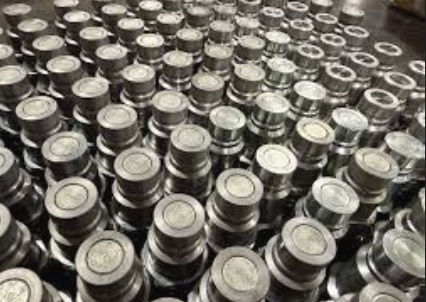
Ensure Leak-Free Connections: Reliable Hydraulic Quick Couplings
The Ultimate Guide to Selecting, Installing, and Maintaining Hydraulic Quick Disconnect Couplings for Maximum Performance and Safety
In industrial hydraulic systems, leak-free connections are not just a convenience—they are an absolute necessity for operational efficiency, safety, and environmental compliance. Hydraulic quick disconnect couplings serve as critical components that enable rapid connection and disconnection of fluid lines while maintaining system integrity. This comprehensive guide explores the technology, selection criteria, installation best practices, and maintenance protocols that ensure reliable, leak-free performance in hydraulic quick couplings across diverse global applications.
The Critical Importance of Leak-Free Hydraulic Connections
Hydraulic system leaks represent one of the most significant challenges in industrial operations, with consequences extending far beyond simple fluid loss. According to industry studies, a single hydraulic leak can result in thousands of dollars in lost productivity, environmental cleanup costs, and potential safety hazards. Leak-free quick couplings directly contribute to:
- Operational Efficiency: Minimizing downtime associated with leak repairs and fluid replenishment
- Environmental Protection: Preventing hydraulic fluid contamination of soil and water sources
- Safety Enhancement: Reducing slip hazards and fire risks associated with hydraulic fluid spills
- Cost Reduction: Decreasing fluid consumption and maintenance expenses
- System Performance: Maintaining consistent pressure and flow for optimal equipment operation
Key Industry Statistics
Research indicates that properly selected and maintained hydraulic quick couplings can reduce leak-related incidents by up to 85% and extend equipment service life by approximately 30%. The global market for hydraulic couplings continues to grow at a compound annual growth rate of 4.2%, driven by increasing automation and stringent environmental regulations worldwide.
Understanding Hydraulic Quick Coupling Technology
Hydraulic quick disconnect couplings consist of two primary components: the plug (male) and the socket (female). When connected, these components create a sealed pathway for hydraulic fluid transmission. The sealing mechanism typically involves precision-machined surfaces, elastomeric seals, and locking mechanisms that prevent accidental disconnection under pressure.
Primary Coupling Types and Their Applications
Different coupling designs address specific operational requirements across global industries:
- Flat-Face Couplings: Designed with flush mating surfaces that minimize fluid spillage during connection and disconnection. These are ideal for environmentally sensitive applications and clean room environments where even minor fluid loss is unacceptable.
- Threaded Couplings: Utilize threaded connections for secure attachment, providing excellent resistance to vibration and mechanical stress. Commonly used in construction equipment, mining machinery, and marine applications.
- Push-to-Connect Couplings: Feature simple push-and-click mechanisms for rapid connection without tools. Widely employed in manufacturing automation, material handling systems, and mobile equipment.
- Ball-Lock Couplings: Incorporate ball-bearing locking mechanisms for secure connections under high pressure and vibration conditions. Preferred in agricultural machinery, forestry equipment, and heavy industrial applications.
- Multi-Coupling Plates: Combine multiple hydraulic connections in a single unit, enabling simultaneous connection of several fluid lines. Essential in complex machinery with multiple hydraulic functions.
Sealing Technologies for Leak Prevention
Modern hydraulic quick couplings employ advanced sealing technologies to ensure leak-free performance:
- O-Ring Seals: The most common sealing method, utilizing elastomeric rings compressed between mating surfaces. Material selection (NBR, FKM, EPDM) depends on fluid compatibility and temperature requirements.
- Metal-to-Metal Seals: Employ precision-machined metal surfaces that create a seal through mechanical deformation. These provide exceptional durability in high-temperature and high-pressure applications.
- Composite Seals: Combine elastomeric and metallic elements for enhanced performance across varying pressure and temperature conditions.
- Spring-Loaded Seals: Incorporate spring mechanisms that maintain constant sealing force despite system pressure fluctuations and component wear.
Selection Criteria for Global Applications
Choosing the appropriate hydraulic quick coupling requires careful consideration of multiple factors that vary across global regions and applications:
| Selection Factor | Considerations | Global Variations |
|---|---|---|
| Pressure Rating | Maximum working pressure, peak pressure, safety factor requirements | European standards typically require higher safety margins than North American specifications |
| Temperature Range | Operating temperature extremes, thermal cycling effects on materials | Arctic applications require low-temperature flexibility; Middle Eastern applications demand high-temperature resistance |
| Fluid Compatibility | Hydraulic fluid type, additives, potential contamination | Biodegradable fluids more common in Europe; synthetic fluids prevalent in specialized applications globally |
| Environmental Conditions | Exposure to chemicals, UV radiation, moisture, abrasive particles | Coastal applications require corrosion resistance; mining applications need abrasion protection |
| Connection Frequency | Daily connections vs. semi-permanent installations | Rental equipment requires frequent connection cycles; stationary machinery has infrequent connections |
| Industry Standards | ISO, SAE, DIN, JIS compliance requirements | European markets prioritize ISO standards; North America focuses on SAE; Japan requires JIS compliance |
Regional Considerations for Global Deployment
Successful global implementation of hydraulic quick couplings requires understanding regional differences:
- North America: Emphasis on SAE standards, high-pressure applications, and rapid connection/disconnection for equipment rental markets
- Europe: Strong focus on ISO standards, environmental regulations (REACH), and safety certifications (CE marking)
- Asia-Pacific: Diverse requirements ranging from JIS standards in Japan to cost-sensitive solutions in emerging markets
- Middle East: Extreme temperature tolerance and corrosion resistance for desert and offshore applications
- Latin America: Adaptability to varying quality of hydraulic fluids and maintenance practices
Installation Best Practices for Leak-Free Performance
Proper installation is critical to achieving leak-free connections. Follow these systematic procedures:
- Pre-Installation Inspection: Examine all coupling components for damage, contamination, or manufacturing defects. Verify that seals are properly seated and undamaged.
- Surface Preparation: Clean mating surfaces thoroughly using appropriate solvents. Remove all debris, metal particles, and old sealant materials.
- Proper Alignment: Ensure perfect alignment before connection to prevent cross-threading or seal damage. Never force connections that don't align naturally.
- Controlled Connection: Connect couplings with steady, even pressure. Listen for the audible click or feel for positive engagement indicators.
- Pressure Testing: Conduct initial pressure tests at 50% of working pressure, gradually increasing to full operating pressure while monitoring for leaks.
- Final Verification: Visually inspect connections after pressure stabilization. Use leak detection fluids or electronic sensors for critical applications.
Common Installation Errors to Avoid
The majority of hydraulic coupling failures result from installation errors rather than product defects. Avoid these common mistakes: over-tightening threaded connections (which can distort seals), using incompatible thread sealants (which may contaminate hydraulic fluid), neglecting to install backup rings where required, failing to replace seals during reassembly, and using damaged or worn coupling components.
Maintenance Protocols for Long-Term Reliability
Regular maintenance ensures continued leak-free performance throughout the coupling's service life:
Preventive Maintenance Schedule
- Daily/Weekly: Visual inspection for external leaks, check for loose connections, verify proper alignment
- Monthly: Functional testing under pressure, inspection of seals and locking mechanisms, cleaning of external surfaces
- Quarterly: Complete disassembly and inspection, replacement of all seals and wear components, verification of dimensional tolerances
- Annually: Comprehensive performance testing, pressure decay testing, documentation of maintenance history
Troubleshooting Common Leak Issues
When leaks occur, systematic troubleshooting identifies the root cause:
- External Leaks at Connection Point: Typically caused by damaged seals, improper installation, or misalignment. Solution: Replace seals, reinstall with proper alignment.
- Internal Leakage (Pressure Drop): Often results from worn valve mechanisms or contamination. Solution: Disassemble, clean thoroughly, replace worn components.
- Leak During Connection/Disconnection: Usually indicates improper coupling design for the application or excessive system pressure during disconnection. Solution: Select appropriate coupling type, ensure system depressurization before disconnection.
- Intermittent Leaks: Frequently caused by vibration-induced loosening or thermal cycling effects. Solution: Install locking devices, use thread-locking compounds, select couplings designed for dynamic applications.
Achieving and maintaining leak-free connections with hydraulic quick couplings requires a comprehensive approach encompassing proper product selection, meticulous installation, and disciplined maintenance. By understanding the technology, respecting regional requirements, and implementing best practices, organizations worldwide can significantly reduce hydraulic system failures, enhance operational safety, and improve environmental compliance. The investment in high-quality couplings and proper procedures yields substantial returns through reduced downtime, lower maintenance costs, and extended equipment life.
Optimize Your Hydraulic Systems Today
For personalized guidance on selecting the ideal hydraulic quick couplings for your specific global applications, consult with our technical experts. We provide comprehensive support including product selection, installation training, and maintenance program development to ensure your hydraulic systems operate at peak efficiency with zero-leak performance.