How Hydraulic Quick Couplers & Valves Power Modern Agricultural Machinery
- Share
- Issue Time
- Dec 26,2025
Summary
Hydraulic quick couplers and valves are pivotal in modern agriculture, enhancing efficiency, precision, and safety. These components facilitate rapid attachment changes, significantly reducing downtime and boosting productivity. Hydraulic valves precisely control fluid direction, pressure, and flow, crucial for tasks in precision agriculture like variable-rate seeding and targeted spraying. Advanced designs, such as flat-face couplers, prevent fluid leaks and contamination, essential for environ
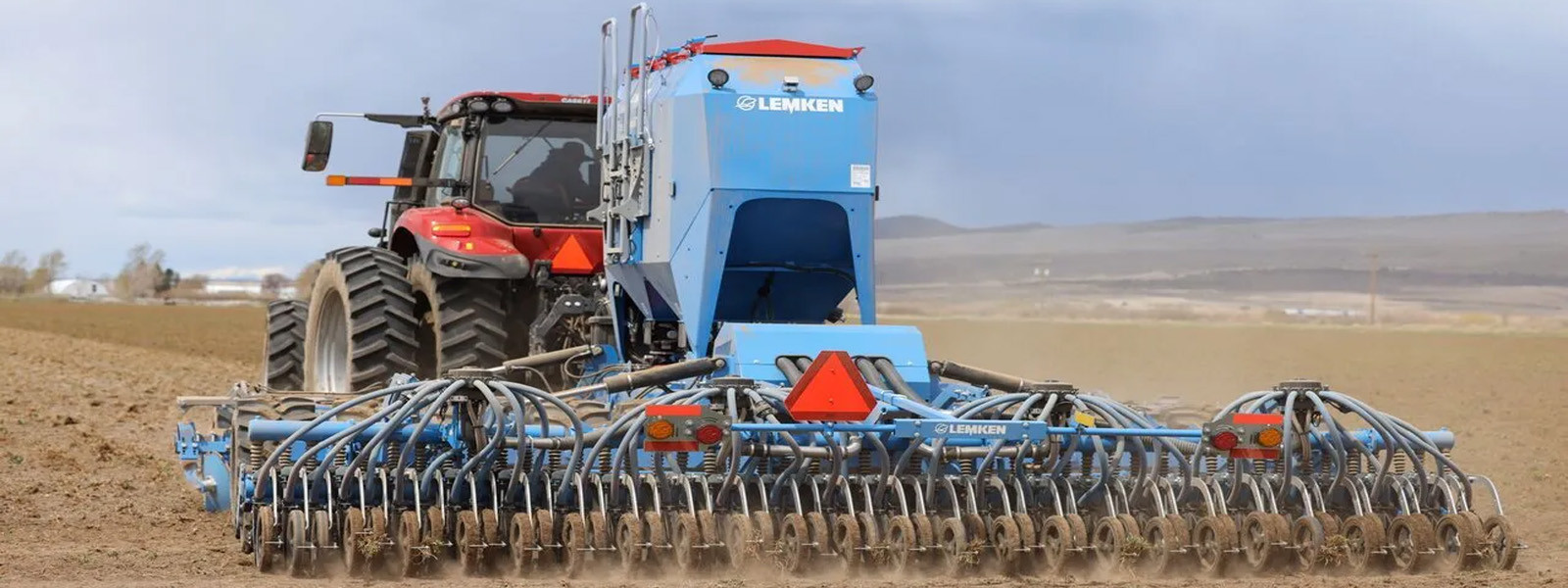
As modern agriculture evolves, the demand for efficient and powerful machinery grows. Hydraulic systems are the backbone of this transformation, providing the muscle and precision needed to tackle demanding tasks in the field. These systems are crucial for everything from steering tractors to lifting heavy implements and powering complex attachments. Properly functioning hydraulics not only increase productivity but also reduce downtime and extend the life of the equipment, making them essential on any modern farm.
In this blog, we'll explore how hydraulic quick couplers and valves are revolutionizing agricultural machinery, enabling seamless operations and boosting productivity for farmers worldwide. By understanding these key components, you can appreciate the intricate engineering that powers the machines that feed the world and learn how to optimize their performance for greater efficiency and sustainability.
Key Takeaways
- Efficiency and Productivity: Hydraulic quick couplers and valves are fundamental to modern agriculture, enabling rapid attachment changes which significantly reduce downtime and increase operational speed.
- Precision and Control: Hydraulic valves provide precise control over the direction, pressure, and flow of hydraulic fluid. This allows for accurate operation of implements, essential for tasks like variable-rate seeding and targeted spraying in precision agriculture.
- Safety and Environmental Protection: Advanced designs, like flat-face couplers, prevent fluid leaks and spills during connection and disconnection. This protects the environment from soil and water contamination, enhances operator safety, and conserves costly hydraulic fluid.
- Durability and Standardization: Couplers and valves are built from robust materials to withstand harsh agricultural environments. Adherence to ISO standards ensures interchangeability between different equipment brands, simplifying maintenance and parts procurement for farmers.
- Future of Farming: The integration of hydraulic components with smart technologies like sensors and IoT is paving the way for automated, data-driven farming. Innovations such as solutions for connecting under residual pressure and integrated hydraulic power units continue to push the boundaries of what agricultural machinery can achieve.
Understanding Hydraulic Quick Couplers & Valves for Agricultural Applications
Hydraulic systems form the powerhouse of contemporary agricultural machinery. They provide the force needed to operate everything from a tractor's loader arms to a combine's harvesting head. Within these complex systems, quick couplers and valves act as the critical control points, managing the power and ensuring it is delivered precisely where needed. Without these components, the efficiency and versatility that define modern farming would be impossible.
What are Hydraulic Quick Couplers?
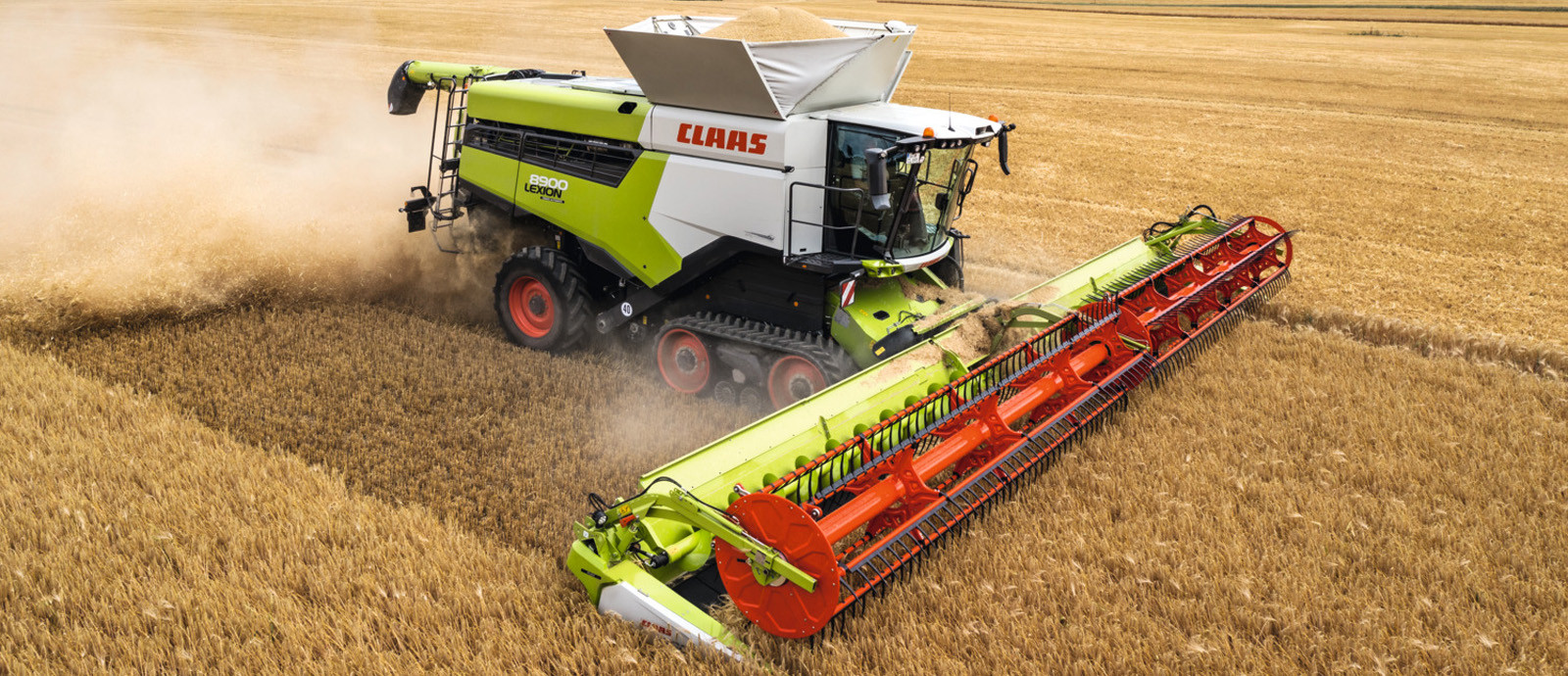
Hydraulic quick couplers, also known as quick disconnects, are fittings that enable the rapid connection and disconnection of hydraulic lines without the need for tools. They consist of two parts, a male and a female half, which securely lock together to create a sealed fluid path. This functionality is essential in agriculture, where operators frequently need to switch between different hydraulic-powered implements like plows, seeders, and balers attached to a single tractor.
The Role of Couplers in Fluid Transfer
The primary role of a hydraulic quick coupler is to facilitate swift and secure connections in a high-pressure fluid system. When connected, they allow hydraulic fluid to flow unimpeded from the power source (e.g., a tractor's pump) to an attachment or actuator. When disconnected, internal valves within the coupler halves automatically close, stopping the flow and preventing fluid from spilling. This dual function is vital for maintaining system pressure, preventing fluid loss, and keeping contaminants like dust and moisture out of the sensitive hydraulic circuit.
Key Features and Benefits in Agriculture
In the agricultural context, the benefits of hydraulic quick couplers are immense. Their most significant advantages include:
- Increased Efficiency and Productivity: Farmers can switch between different tools in minutes, not hours. This rapid changeover dramatically reduces downtime and allows for a more streamlined workflow in the field.
- Reduced Downtime and Maintenance Costs: By preventing hydraulic fluid leaks, couplers help conserve expensive fluids and reduce the frequency of maintenance. A clean, leak-free system is also less prone to component failure, further minimizing downtime.
- Enhanced Safety: Secure locking mechanisms prevent accidental disconnection of high-pressure lines, protecting operators from dangerous hydraulic fluid spray. Modern designs also eliminate spills, reducing slip hazards and exposure to chemicals.
- Environmental Protection: Advanced couplers, particularly the flat-face style, are designed for zero spillage. This prevents hydraulic oil from contaminating soil and water sources, a growing concern in sustainable agriculture.
The Importance of Hydraulic Valves in Precision Agriculture
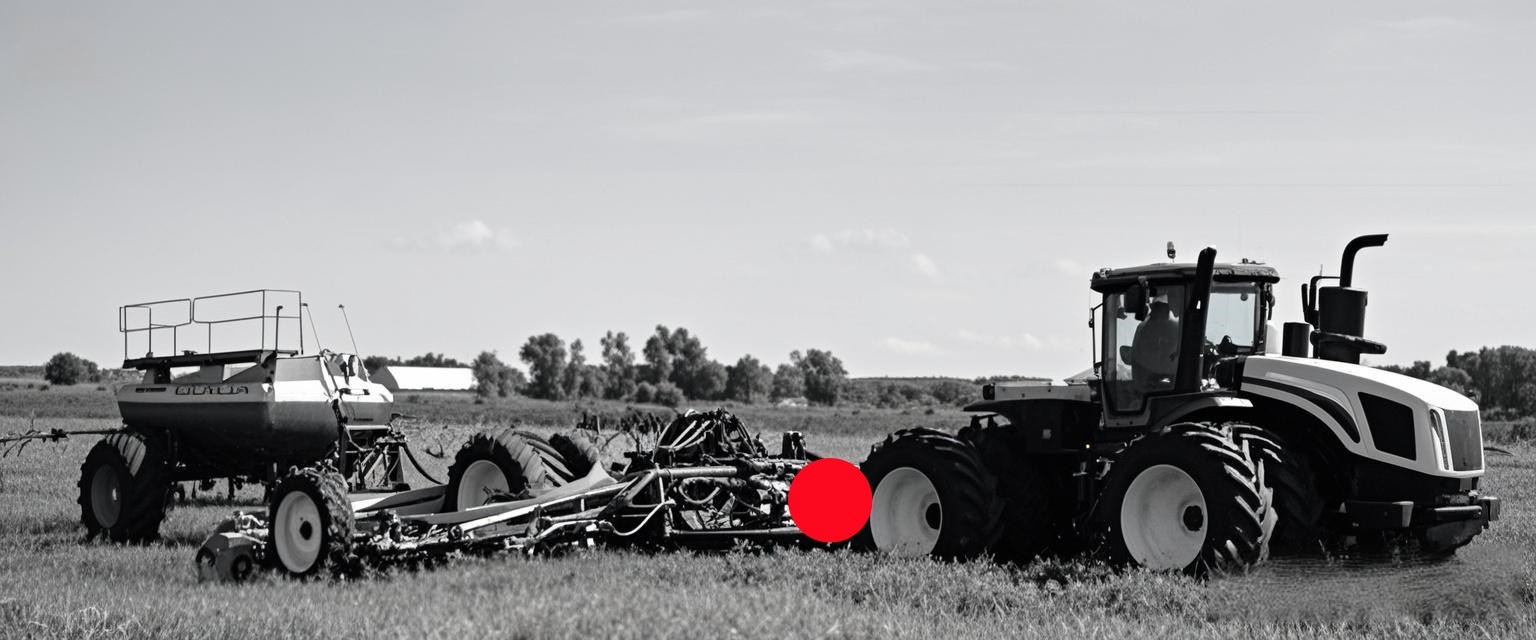
If quick couplers are the gateways of a hydraulic system, then hydraulic valves are the traffic controllers. These devices are crucial for regulating the direction, pressure, and flow rate of the hydraulic fluid. In precision agriculture—a farming approach that uses technology to manage crop and livestock production more accurately—the role of hydraulic valves is paramount. They enable the fine control needed for tasks like variable-rate application of fertilizers and precise seeding depths, which are essential for optimizing yield and resource use.
Controlling Flow and Pressure for Optimal Performance
Hydraulic valves ensure that machinery performs tasks with the exact power and speed required. They achieve this by managing two key variables:
- Flow Control: A flow control valve regulates the volume of fluid moving through a circuit per unit of time. This directly controls the speed of an actuator, such as a hydraulic cylinder or motor. For example, a flow control valve can slow the descent of a planter to ensure seeds are placed at a consistent depth or adjust the rotational speed of a sprayer's pump.
- Pressure Control: Pressure control valves are safety and regulation devices that manage the pressure within a hydraulic system. A relief valve, for instance, prevents system overloads by diverting excess fluid back to the reservoir if pressure exceeds a safe limit. Pressure-reducing valves can supply a lower pressure to a specific sub-circuit, protecting sensitive components from damage. This precise pressure management ensures that equipment operates safely and efficiently without component failure.
Different Types of Valves and Their Functions
Agricultural machinery utilizes a variety of hydraulic valves, each with a specific purpose. The three main categories are foundational to any hydraulic system's operation.
| Valve Category | Primary Function | Common Types Used in Agriculture |
|---|---|---|
| Directional Control Valves | To direct the path of hydraulic fluid to different actuators, starting, stopping, and changing the direction of fluid flow. | Spool Valves, Check Valves, Ball Valves, Solenoid-Operated Valves. |
| Pressure Control Valves | To regulate and limit the pressure within a hydraulic circuit, ensuring safety and efficiency. | Relief Valves, Pressure-Reducing Valves, Sequence Valves. |
| Flow Control Valves | To manage the rate of fluid flow, which controls the speed of hydraulic actuators. | Throttle Valves, Needle Valves, Pressure-Compensated Flow Valves. |
Each of these valve types can be further broken down. For example, directional control valves can be 2-way, 3-way, or 4-way, controlling increasingly complex movements. The strategic combination of these valves allows for the sophisticated and precise operation that makes modern agricultural machinery so effective.
Types of Hydraulic Quick Couplers & Valves for Agricultural Equipment
To meet the diverse and demanding needs of agriculture, manufacturers have developed a wide array of hydraulic quick couplers and valves. Each design offers specific advantages, from basic, reliable connections to advanced, high-performance solutions engineered for specialized tasks. Understanding the different types available is key to equipping agricultural machinery for maximum productivity, safety, and longevity.
Common Hydraulic Quick Coupler Designs
The choice of a hydraulic quick coupler significantly impacts the performance and reliability of farm equipment. Designs range from traditional poppet styles to modern flat-face and multi-coupling systems, each suited for different applications and operational pressures.
Poppet Quick Couplings: A Basic Stop System
Poppet couplings are a traditional and widely used design in agriculture. They feature a poppet-style valve in both the male and female halves. When disconnected, springs hold these valves shut to block fluid flow. Upon connection, the male and female poppets press against each other, unseating both valves and allowing fluid to pass through.
- Pros: They are generally cost-effective, readily available, and offer high mechanical resistance, making them durable in rugged conditions. Their simple design is reliable for many standard agricultural applications.
- Cons: A primary drawback is the potential for fluid spillage during disconnection and air inclusion upon connection. The small recesses in the poppet design can trap dirt and debris, increasing the risk of hydraulic system contamination if not cleaned meticulously.
Flat Face Hydraulic Couplers: Zero Spillage and Contamination Prevention
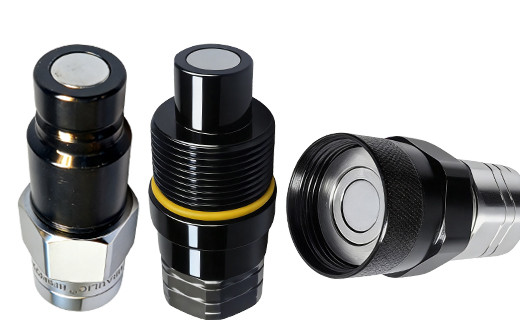
Flat-face couplers are the modern standard for applications where cleanliness and environmental safety are critical. Their defining feature is a smooth, flat mating surface on both the male and female ends. When connected, the two flat faces press together, creating a tight seal before the internal valves open. This design virtually eliminates fluid loss during disconnection and prevents air from entering the system during connection.
- Pros: The no-spill design protects the environment and operators from hydraulic fluid exposure. The flat surface is easy to wipe clean, significantly reducing the risk of contamination from dirt and debris. They are ideal for quick implement swaps and help maintain the health and longevity of the hydraulic system.
- Cons: They can have a higher initial cost compared to poppet couplers. However, this cost is often offset by long-term savings from reduced fluid loss and lower maintenance.
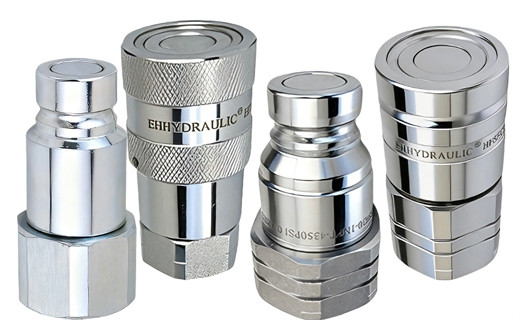
Threaded Flat Face Couplers: Built for Heavy-Duty Applications
For the most demanding, high-pressure, and high-vibration applications, threaded flat-face couplers provide an exceptionally secure connection. Instead of a push-to-connect mechanism, these couplers are screwed together. This threaded engagement mechanically locks the two halves, preventing accidental disconnection even under extreme vibration or pressure spikes.
- Pros: The threaded connection provides superior resistance to vibration and premature wear. They are ideal for heavy-duty applications like demolition attachments or forestry equipment and can often be connected under residual pressure. Their design ensures a safe and reliable connection in the toughest environments.
- Cons: The connection and disconnection process is slower than push-to-connect types, as it requires manually threading the collar. This makes them less suitable for applications requiring very frequent and rapid attachment changes.
Multi-Coupling Connection Systems: Streamlining Multiple Connections
Modern agricultural implements like front-end loaders or complex planters often require multiple hydraulic lines, as well as electrical connections. A multi-coupling system, or multi-plate, consolidates these connections into a single block. Instead of connecting each hose individually, the operator connects the entire plate with a single movement, often using a lever.
- Pros: This system saves a significant amount of time and effort, allowing for the simultaneous connection of multiple lines. The fixed layout of the plate makes it impossible to cross-connect lines, preventing potential damage to the implement or tractor. Many systems integrate flat-face couplers, ensuring a clean, leak-free connection for all lines.
- Cons: Multi-coupling systems represent a higher initial investment. They are also specific to the implement and machine they were designed for, limiting interchangeability unless standardized plates are used.
Essential Hydraulic Valves in Agricultural Machinery
Hydraulic valves are the nerve center of an agricultural machine, directing the hydraulic fluid to perform work. From simple on-off functions to precise, modulated control, these valves are critical for the machine's operation, safety, and efficiency.
Tractor Control Valves: The Nerve Center of Agricultural Hydraulics
The term "tractor control valve" often refers to the main valve bank, typically operated by levers or joysticks in the cab, that manages the primary hydraulic functions like lifting the three-point hitch or operating front-end loader arms. This central hub regulates the flow and direction of fluid to various actuators, enabling the operator to control implements with precision. Modern tractors feature sophisticated control valves that can manage position, depth, and draft control automatically, optimizing tasks like plowing.
Directional, Pressure, and Flow Control Valves: Guiding Hydraulic Power
Hydraulic systems are governed by three main categories of valves that work in concert:
- Directional Control Valves: As the name implies, these valves control the path of the hydraulic fluid. They determine whether a cylinder extends or retracts, or a motor turns clockwise or counter-clockwise. Common types include spool, poppet, and check valves, which are classified by the number of ports and positions they have (e.g., a 4/3 valve has four ports and three positions).
- Pressure Control Valves: These valves are essential for safety and regulation. They ensure the system operates within a safe pressure range. The most common type is the relief valve, which acts as a safety fuse by diverting fluid back to the tank if pressure gets too high. Other types, like pressure-reducing valves, maintain a lower pressure level for specific parts of a circuit.
- Flow Control Valves: These valves regulate the speed of actuators by adjusting the rate of fluid flow. A simple throttle or needle valve restricts the flow path, while more advanced pressure-compensated valves maintain a constant flow rate regardless of pressure changes, ensuring consistent actuator speed under varying loads.
Hydraulic Cartridge Valves: Compact Control for Efficiency and Durability
Hydraulic cartridge valves are a compact and versatile type of valve designed to be inserted into a standardized cavity within a manifold block. This modular design allows engineers to create complex hydraulic circuits in a very small space, which is a significant advantage in modern agricultural machinery where space is limited. Cartridge valves can perform all key functions—directional, pressure, and flow control—and are known for their durability and ease of maintenance. Because they are housed within a manifold, they are well-protected from the harsh field environment, reducing the risk of leaks and failures.
Advantages of Advanced Hydraulic Quick Couplers & Valves for Agricultural Productivity
The adoption of advanced hydraulic components is not just an upgrade; it's a strategic investment in agricultural productivity, safety, and sustainability. Modern quick couplers and valves are engineered to solve common pain points in farming operations, delivering tangible benefits that boost the bottom line and protect valuable resources.
Minimizing Downtime and Maximizing Efficiency
In agriculture, time is a critical resource. Delays during planting or harvesting can have significant financial consequences. Advanced hydraulic systems are designed to keep machines running efficiently and reduce a farm's biggest enemy: downtime.
Rapid and Tool-Free Connection/Disconnection
One of the most immediate benefits of hydraulic quick couplers is the ability to connect and disconnect implements without tools. Designs like push-to-connect flat-face couplers allow an operator to switch from a grapple to a mower on a front-end loader in seconds. This rapid-change capability is transformative for farms that rely on a single tractor for multiple tasks throughout the day. Instead of spending 20 minutes manually changing attachments, the process becomes nearly instantaneous, maximizing the time spent on productive work.
Preventing Fluid Loss and Contamination
Fluid loss and contamination are two major threats to the health of a hydraulic system.
- Fluid Loss: Traditional poppet couplers can spill a small amount of oil with every disconnection. Over hundreds of connection cycles, this adds up to significant fluid loss and cost. Modern flat-face couplers are designed for zero-spill performance, preventing drips and keeping hydraulic fluid where it belongs.
- Contamination: The flat, smooth surface of flat-face couplers is easy to wipe clean before connection, which drastically reduces the amount of dirt, dust, and moisture that can enter the hydraulic circuit. A cleaner system means less wear on pumps, valves, and seals, extending the life of the equipment and lowering maintenance costs over time.
Ensuring Safety and Environmental Protection
Beyond efficiency gains, modern hydraulic couplers and valves play a vital role in creating a safer work environment and protecting the land.
Leak-Free Connections and Spill Prevention
Hydraulic fluid leaks are both a safety hazard and an environmental pollutant. A leak can spray high-pressure fluid, posing a risk of serious injury to operators. Spilled oil on the ground creates slip hazards and contaminates the work area. Flat-face couplers create a secure, leak-free seal that minimizes these risks. Their design ensures that fluid is contained within the system during connection and disconnection, promoting a safer environment for everyone on the farm.

Protecting Soil and Equipment from Contamination
Protecting the soil is fundamental to sustainable agriculture. Hydraulic fluid spills can harm soil health and contaminate water sources, with long-lasting negative effects. The no-leak design of advanced couplers is a critical feature for environmental stewardship, preventing the release of oil onto fields and into waterways. This not only preserves the land but also protects crops from contamination. By keeping the hydraulic fluid clean, these couplers also protect the internal components of the machinery, ensuring the equipment remains reliable and productive for years to come.
Adapting to Diverse Agricultural Needs with Specialized Solutions
The demands on agricultural machinery are constantly evolving. Manufacturers of hydraulic components are responding with innovative and specialized solutions that meet international standards and perform reliably in the most challenging conditions.
Meeting ISO Standards for Agricultural Couplings
Standardization is key to ensuring interchangeability between tractors and implements from different manufacturers. Several ISO standards govern the design and performance of hydraulic quick couplers:
- ISO 5675: This standard applies to the traditional poppet-style couplers commonly used in agriculture. It ensures that a tractor from one brand can connect to an implement from another, as long as both adhere to the standard.
- ISO 16028: This is the global standard for flat-face couplers. It specifies dimensions and performance requirements to ensure leak-free operation and global interchangeability. Adherence to this standard guarantees that users can rely on consistent performance and fit across different equipment brands.
Innovations in Hydraulic Quick Couplers & Valves for Challenging Environments
Agricultural equipment operates in extreme conditions, from sub-zero temperatures to scorching heat, and is constantly exposed to dust, mud, and moisture. To meet these challenges, manufacturers have developed innovative solutions:
- Corrosion-Resistant Coatings: Zinc-nickel and other advanced plating techniques provide superior resistance to corrosion, extending the life of couplers in humid or corrosive environments (e.g., when working with fertilizers).
- Damped Valves: Some advanced pressure relief valves feature a damped poppet design, which offers more stable performance, reduces noise, and ensures the valve reseats properly, preventing energy loss.
- Compact and Robust Designs: Cartridge valves, with their compact and modular design, are built to withstand harsh conditions while providing precise control. Their integration into manifolds protects them from external impacts and contamination.
These advancements ensure that modern farm machinery can operate reliably and efficiently, no matter how tough the job or the environment.
The Future of Hydraulic Quick Couplers & Valves in Modern Agriculture
The evolution of hydraulic technology is far from over. As farming moves towards greater automation, precision, and sustainability, the role of hydraulic quick couplers and valves will only become more critical. Innovations are focused on solving persistent challenges, enhancing performance, and integrating seamlessly with the smart farming technologies that are defining the future of agriculture.
Enhancing Performance with Residual Pressure Operation
One of the most common frustrations in the field is dealing with residual pressure. After an attachment is disconnected, solar heat can cause the hydraulic fluid trapped within its hoses to expand, increasing the pressure. This makes it extremely difficult, if not impossible, to reconnect the coupler without first bleeding the pressure manually—a time-consuming and messy process.
Leading manufacturers have developed innovative "connect-under-pressure" (CUP) solutions to solve this problem. These advanced couplers incorporate a special internal valve system that automatically relieves the trapped pressure during the connection process. An operator can manually connect an implement even if it has built-up residual pressure, eliminating delays and improving safety. For example, Stucchi's APM series uses a triple-valve system that allows for safe, by-hand connections when residual pressure is present, making it ideal for attachments that sit in the sun. Other designs may allow for connection when either the male or female side is pressurized.
The Role of Leading Manufacturers in Innovation
The advancement of agricultural hydraulics is driven by the research and development efforts of leading manufacturers. Companies like Parker Hannifin, Bosch Rexroth, Eaton, Stucchi, and Danfoss are at the forefront of this innovation, consistently pushing the boundaries of performance, reliability, and efficiency.
These industry leaders are pioneering developments in several key areas:
- Smart Systems: Manufacturers are integrating sensors and electronic controls directly into hydraulic components. This allows for real-time monitoring of pressure, temperature, and flow, enabling predictive maintenance and integration with farm management software.
- Material Science: The use of high-strength alloys and advanced corrosion-resistant coatings allows components to withstand the harsh agricultural environment, extending their service life and reducing maintenance costs.
- Energy Efficiency: New valve designs and system approaches, like those offered by Bosch Rexroth and Eaton, focus on reducing energy consumption by minimizing pressure drop and optimizing fluid flow, contributing to more fuel-efficient machinery.
- Customization and Integration: Companies are increasingly offering customized solutions, such as pre-assembled manifold blocks with cartridge valves tailored to a specific machine's needs, simplifying assembly and improving reliability.
Integrating Hydraulic Power Units (HPUs) for Advanced Systems
A Hydraulic Power Unit (HPU) is a self-contained system that includes a motor, a hydraulic pump, a reservoir, and other integrated components like filters and valves. While traditionally seen in industrial settings, HPUs are becoming more prevalent in advanced agricultural machinery. They serve as the core power source for hydraulic functions, providing consistent and reliable pressure and flow.
In agriculture, HPUs are used to power demanding implements, run irrigation systems, and drive auxiliary functions on tractors and harvesters. The benefits of integrating HPUs include:
- High Power Density: HPUs can generate immense force from a relatively compact package, making them ideal for heavy-duty farm work.
- Precision Control: Integrated HPUs provide fine control over speed and force, which is critical for precision agriculture tasks.
- Flexibility: HPUs can be designed as mobile units, allowing a single power source to be used for multiple applications around the farm, from log splitters to conveyor belts.
- Reliability: By consolidating key components into a single, robust unit, HPUs can offer enhanced reliability and simplified maintenance compared to more fragmented systems.
As agricultural machinery becomes more complex and electrified, the role of efficient, smart HPUs will continue to grow, powering the next generation of autonomous and high-performance farm equipment.
Frequently Asked Questions (FAQ)
Q1: What is the main difference between poppet and flat-face quick couplers?
The main difference lies in their valve design and performance during connection/disconnection. Poppet couplers use a mushroom-shaped valve that can trap dirt and allow for minor fluid spillage. Flat-face couplers have a smooth, flat surface that is easy to clean and designed for zero spillage, which prevents contamination and protects the environment.
Q2: Why can't I connect my hydraulic coupler?
The most common reason is residual pressure trapped in the hydraulic line, often caused by thermal expansion of the fluid (e.g., an attachment left in the sun). This pressure makes it nearly impossible to push the coupler halves together. Solutions include manually bleeding the line or using specially designed "connect-under-pressure" (CUP) couplers.
Q3: What are the three main types of hydraulic valves?
The three primary categories are:
- Directional Control Valves: These direct the path of the hydraulic fluid to control the movement of actuators (e.g., making a cylinder extend or retract).
- Pressure Control Valves: These regulate the pressure within the system to ensure safety and efficiency (e.g., relief valves prevent over-pressurization).
- Flow Control Valves: These control the speed of actuators by managing the rate of fluid flow.
Q4: What does an ISO standard mean for hydraulic couplers?
An ISO standard (e.g., ISO 5675 or ISO 16028) ensures that couplers from different manufacturers are interchangeable in terms of dimensions and performance. This gives farmers the flexibility to use implements and tractors from various brands without compatibility issues, simplifying equipment management and parts replacement.
Q5: Are hydraulic cartridge valves better than traditional valves?
Cartridge valves offer several advantages, especially for modern agricultural machinery. Their compact, modular design allows for complex hydraulic circuits in tight spaces. They are highly reliable, easy to maintain (as individual cartridges can be replaced without disturbing the entire system), and are well-protected within a manifold, making them ideal for harsh environments.
Conclusion
Hydraulic quick couplers and valves are indispensable components in modern agricultural machinery. Their ability to facilitate rapid connections, prevent contamination, and ensure precise control is transforming the way we farm. From the simple but robust poppet coupler to the sophisticated, no-spill flat-face design and the intelligent control of advanced valves, these technologies are at the heart of the efficiency and power that define today's farming.
By embracing these advanced hydraulic solutions, we can unlock greater efficiency, sustainability, and productivity in agricultural operations. As technology continues to evolve, the integration of smart, durable, and user-friendly hydraulic systems will pave the way for a more resilient and tech-driven future in agriculture. Investing in the right hydraulic components is not just an equipment upgrade; it is a step towards a more productive and sustainable farm.
We encourage you to share this article with colleagues and start a conversation about how a focus on hydraulic health and technology can benefit your operations. What are your biggest challenges with hydraulic systems, and what innovations are you most excited about?