How to Outfit a Tractor for Construction Use
- Share
- Issue Time
- Mar 26,2026
Summary
Construction work demands robust hydraulic performance:
Upgrade to high-flow hydraulics - Standard agricultural hydraulics may not provide enough power for construction implements like scraper pans or heavy blades
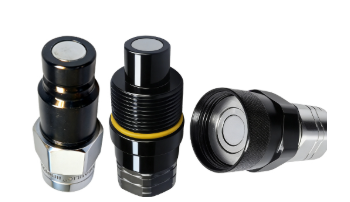
Install heavy-duty quick couplers - When upgrading to high-flow hydraulics, you must also upgrade quick couplers to withstand increased pressure. Threaded, flat-face couplers like the EHHYDRAULIC 297 series prevent leaks and handle high-pressure impulses
How to Outfit a Tractor for Construction Use?
Transforming Your Agricultural Tractor into a Construction Powerhouse
Many tractor owners discover that their agricultural machines can serve dual purposes on construction sites, but this transition requires careful planning and specific upgrades. Converting a standard farm tractor for construction work involves more than just attaching different implements—it requires systematic enhancements to handle heavier loads, increased stress, and demanding working conditions. This comprehensive guide will walk you through the essential steps to properly outfit your tractor for construction applications, ensuring safety, efficiency, and longevity.
Critical Hydraulic System Upgrades
When upgrading your tractor from agricultural to construction use, the hydraulic system demands immediate attention. Construction equipment like scraper pans, backhoes, and heavy blades require significantly more hydraulic power than typical farm implements. The difference between moving earth materials versus pulling agricultural equipment is substantial—picture an agricultural tractor versus a bulldozer moving concrete. This increased demand places tremendous stress on your tractor's hydraulic circuit.
Critical Warning: If you upgrade your tractor's hydraulic system from standard flow to high flow, you must also upgrade the hydraulic quick couplers. Standard couplers cannot withstand the increased pressure and will fail prematurely, potentially requiring replacement every week under heavy construction use.
For over 22 years, EHHYDRAULIC has specialized in hydraulic solutions for heavy equipment. Their threaded, flat-face quick couplers are specifically designed to withstand the extreme pressures of construction applications. Two series stand out for construction use:
297 Series: Ideal for applications where trapped or residual pressure exists in hydraulic lines or where high-pressure impulses occur. The patented internal valve allows quick connect/disconnect under high residual pressure, while the yellow O-ring indicator provides visual confirmation of a tight seal. These are perfect for construction applications with increased pressure requirements.
VP Series: Features an auto-locking sleeve that provides failsafe connections with positive secondary retention. This series excels in construction equipment applications requiring quick connect and disconnect of tool attachments under high pressure, commonly found in drilling machines, cranes, tractors, and excavators with auxiliary lines for attachments.
Essential Construction Attachments and Implements
Construction work requires specialized attachments that differ significantly from agricultural implements. Here are the most critical attachments for construction applications:
- Front-End Loaders: Transform your tractor into a material handling machine capable of scooping, lifting, and transporting soil, gravel, and construction materials. Available in various sizes and configurations to match your tractor's capacity.
- Backhoe Attachments: Convert your tractor into a mini-excavator for digging trenches, foundations, and removing stumps. Essential for any construction site requiring excavation work.
- Box Blades: Indispensable for grading, leveling, backfilling, and spreading materials like gravel or soil. Features a three-sided metal box with cutting edges and adjustable scarifier teeth for breaking up compacted soil.
- Rear Blades: Perfect for leveling dirt, gravel, or snow on construction sites. Modern rear blades offer adjustable angle and tilt features for precise grading tasks.
- Pallet Forks: Essential for material handling on construction sites, allowing you to lift and transport pallets of building materials, tools, and equipment with 1-ton lift capacity in many models.
- Post Hole Diggers/Augers: Create uniform holes for fencing, sign posts, or foundation work. Available with various auger sizes (9", 12", 18") to match specific project requirements.
- Skid-Steer Adapters: Dramatically expand your tractor's versatility by enabling use of skid-steer compatible tools, providing access to hundreds of specialized construction attachments.
Beyond basic earth-moving equipment, several specialized attachments enhance construction capabilities:
- Quick Hitches: Reduce attachment change time from hours to minutes, increasing productivity on construction sites where multiple tools are needed throughout the day.
- Landscape Rakes: Available in working widths from 48 to 120 inches, these tools are essential for final grading and site preparation.
- Soil Pulverizers: Break up and prepare soil for construction foundations or landscaping, with heavy-duty models capable of handling compacted construction site soil.
- Rotary Cutters (Brush Hogs): Clear overgrown areas and thick brush from construction sites, with heavy-duty construction to withstand challenging conditions.
Mandatory Safety Equipment for Construction Use
Construction sites present uneven terrain and potential rollover hazards. According to safety standards, your tractor must be equipped with an ASAE-approved Roll-Over Protective Structure (ROPS) or ROPS cab and seat belt. These life-saving features protect the operator from being crushed during a rollover incident. Always operate with the ROPS in the raised position and seat belt fastened.
Safety Mandate: Tractors not originally equipped with ROPS and seat belts must have these features installed by an authorized dealer before being used on construction sites. Serious injury or death can result from falling off the tractor during a turnover.
Construction sites generate flying debris and falling objects. Your tractor must include:
- Operator Thrown Object Protection: For cab tractors, safety screens or shatter-proof windows on the right side. For non-cab tractors, ROPS with operator protective safety cages providing protection to the right and above the operator seat.
- Enhanced Lighting: LED lights for improved visibility during early morning, late evening, or indoor construction work. Proper lighting prevents accidents and improves productivity.
- Slow Moving Vehicle (SMV) Emblems: Required for any tractor operating on or near public roads accessing construction sites.
- Tractor Ballast: Maintain at least 1500 lbs on the left rear tire when operating with extended booms or heavy front attachments to ensure stability.
Compatibility Considerations and Mounting Systems
Construction attachments mount to tractors at three primary locations, each serving different purposes:
- Front Mount: Arms to either side of the tractor engine, typically for front loaders and some specialized blades.
- Mid Mount: Under the tractor body between front and rear wheels, commonly for mower decks and certain grading equipment.
- Rear Mount: Using drawbars or three-point hitch systems for most implements like box blades, rear blades, and digging attachments.
Construction attachments are powered through different systems that must match your tractor's capabilities:
Three-Point Hitch Categories: Attachments must match your tractor's hitch system (Category I, II, or III). Using mismatched categories can damage both the tractor and attachment.
Power Take-Off (PTO): Many construction implements require PTO power. Ensure your tractor's PTO horsepower matches attachment requirements, accounting for potential power reduction if your tractor has air conditioning.
Hydraulic Flow Requirements: Hydraulically operated attachments require specific flow rates. Upgrading to high-flow hydraulics often necessitates corresponding upgrades to quick couplers and hydraulic lines.
Pro Tip: Before purchasing any attachment, consult your tractor's manual for specific compatibility requirements including horsepower, hydraulic flow, lifting capacity, and mounting system specifications.
Tire and Wheel Selection for Construction Sites
Construction terrain demands specialized tires that differ significantly from agricultural applications. The right tires improve traction, stability, and safety on uneven construction surfaces.
- Tire Size: Must match your tractor's horsepower and the type of terrain. Larger tires provide better flotation on soft ground, while smaller tires offer more maneuverability in tight spaces.
- Tread Pattern: Deep lug designs are essential for off-road construction use, providing superior traction in mud, loose soil, and uneven terrain. Ribbed tires are better suited for finished surfaces or pavement.
- Load Capacity: Construction work often involves heavier loads than agricultural applications. Choose tires with appropriate load capacity to prevent damage and ensure safe operation.
- Tire Chains: For construction in muddy conditions or on ice, tire chains provide additional grip and prevent getting stuck. They're particularly valuable for early morning work when dew or frost makes surfaces slippery.
Wheel selection impacts both performance and attachment compatibility:
- Wheel Material: Steel wheels offer durability for rough construction sites, while aluminum wheels reduce weight but may be less impact-resistant.
- Wheel Spacing: Proper spacing prevents twisting of tubes under heavy loads. When attaching modular wheel units to frames, maintain at least 12 inches of space between attachment points.
- Ballast Requirements: Construction work often requires additional ballast for stability. Liquid ballast in tires or wheel weights can help maintain the recommended 1500 lbs on the left rear tire when using extended attachments.
Maintenance and Operational Best Practices
Construction equipment demands rigorous maintenance schedules. Before each use, conduct these essential checks:
- Inspect all guards and shields around power take-off shafts, gearboxes, and rotating equipment
- Check hydraulic hoses, fittings, and connections for leaks or damage
- Verify all nuts, bolts, and fasteners are properly tightened
- Ensure ROPS structures are secure and undamaged
- Test all safety devices including seat belts and emergency stops
Critical Safety Rules:
- Never crawl under anything supported only by a hydraulic lift—always use blocks, jack stands, or other stable supports
- Maintain at least 6 meters (20 feet) distance between bystanders and operating equipment
- Avoid loose clothing, long hair, and dangling items that could catch in moving parts
- Never stand between a tractor and an attachment or implement
- Know how to stop the tractor, engine, and equipment quickly in emergencies
- Follow proper shutdown procedures and wait for all moving parts to stop before dismounting
- Daily: Clean attachments of dirt and construction debris, check fluid levels, inspect for visible damage
- Weekly: Lubricate all moving parts and pivot points, check tire pressure, inspect hydraulic systems
- Monthly: Thorough inspection of all structural components, check for wear on cutting edges and moving parts
- Seasonally: Complete maintenance including hydraulic fluid changes, filter replacements, and comprehensive safety system checks
Building Your Construction-Ready Tractor
Outfitting a tractor for construction use requires a systematic approach that begins with hydraulic system upgrades and extends through attachment selection, safety equipment installation, and proper maintenance protocols. The transformation from agricultural to construction equipment isn't merely about adding different implements—it's about creating an integrated system designed to handle the increased demands of construction environments.
Start with the hydraulic system, ensuring your quick couplers can handle high-flow pressures. Select attachments based on your specific construction tasks, prioritizing versatility and durability. Never compromise on safety equipment—ROPS, seat belts, and proper lighting are non-negotiable for construction sites. Finally, establish rigorous maintenance routines to keep your equipment operating safely and efficiently.
By following this comprehensive guide, you can transform your agricultural tractor into a reliable construction partner capable of handling demanding tasks while maintaining operator safety and equipment longevity. Remember that proper outfitting is an investment that pays dividends through increased productivity, reduced downtime, and enhanced safety on every construction project.
For specialized hydraulic solutions and technical support, consider consulting with experts like EHHYDRAULIC who have over 22 years of experience in hydraulic systems for heavy equipment. Their threaded, flat-face quick couplers and custom hydraulic solutions can ensure your tractor's hydraulic system meets the rigorous demands of construction applications.