How to Prevent Hydraulic System Contamination
- Share
- Issue Time
- Apr 9,2026
Summary
Contamination is the leading cause of hydraulic system failure. Preventing it is not just maintenance—it's essential for reliability, efficiency, and cost control.
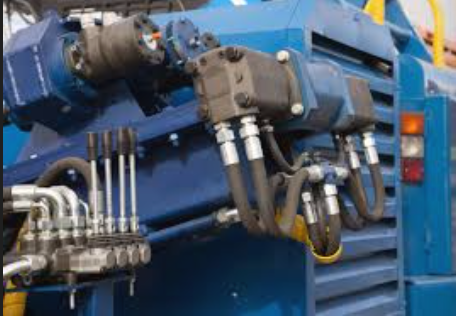
How to Prevent Hydraulic System Contamination?
Understanding Hydraulic Contamination: Types and Sources
Contamination in hydraulic systems manifests in three primary forms: solid particles, water, and air. Each type presents unique challenges and requires specific prevention strategies .
Solid Particle Contamination
Solid contaminants include dust, dirt, metal chips, welding residue, rubber particles from hose assembly, and even fibers from cleaning rags. These particles can originate from multiple sources: built-in contamination from manufacturing processes, environmental exposure during operation, or improper maintenance procedures . Even new hydraulic oil can introduce particulate contamination if not properly filtered before use.
Water Contamination
Water enters hydraulic systems through condensation, leaks, or improper storage practices. It reduces lubrication effectiveness, promotes corrosion of metal components, and can cause chemical changes in hydraulic fluid that lead to sludge formation. Water contamination is particularly insidious because it often occurs gradually and may not be immediately apparent until significant damage has occurred.
Air Contamination
Air bubbles in hydraulic fluid reduce viscosity, increase oxidation rates, and can cause cavitation damage to pumps and other components. Air typically enters through leaks in suction lines, through reservoir breathers, or during fluid changes when proper procedures aren't followed.
Critical Insight: 75-80% of hydraulic system failures stem from fluid contamination, making contamination control the single most important factor in hydraulic system reliability .
Proactive Prevention Strategies and Best Practices
20 Industry Best Practices for Hydraulic Cleanliness
These practices form a comprehensive approach to contamination control that addresses prevention at every stage of the hydraulic system lifecycle. Regular maintenance checks should monitor hydraulic oil condition, schedule timely oil changes, and ensure filter replacements occur before bypass conditions develop .
System Design Considerations for Contamination Control
Effective contamination prevention begins with proper system design. New hydraulic systems should incorporate built-in filtration at multiple points: suction filters protect pumps by cleaning oil before it enters, while return filters clean fluid before it returns to the reservoir . Modern systems operating at higher pressures and with more compact designs require particularly robust contamination control measures.
The design should consider the specific operating environment and potential contaminant sources. Industrial settings with high particulate loads may require additional filtration stages, while marine applications need enhanced protection against water intrusion and corrosion .
Advanced Connection Technologies: The EHHYDRAULIC Approach
Hydraulic contamination frequently begins at connection interfaces. Each time a hydraulic circuit opens during attachment changes, maintenance, or equipment transport, couplings become exposed to environmental contaminants . EHHYDRAULIC 's engineering philosophy addresses this vulnerability through system-level solutions that make zero-spill behavior repeatable across operators and environments.
Flat-Face Coupling Technology
Flat-face hydraulic couplers feature flush mating surfaces and clean-break valve designs that significantly reduce contamination exposure while minimizing fluid loss during connection and disconnection . The 93 series, manufactured in stainless steel AISI 316, offers optimal corrosion resistance for demanding environments including offshore, marine, chemical, pharmaceutical, and food processing applications .
Comprehensive Contamination Control System
EHHYDRAULIC 's approach extends beyond individual components to create integrated systems that include flat-face couplers, threaded flat-face couplers, multi-coupling plates, hydraulic check valves, adapters, and dust caps . These elements work together to stabilize circuits, limit contamination migration upstream, and maintain cleanliness throughout the equipment lifecycle.
Transport and Storage: Critical Control Points
Contamination control doesn't end when hydraulic lines disconnect. The highest-risk contamination events often occur during transport, staging, or storage when equipment is idle and outside controlled environments . Disconnected couplers left exposed become collection points for windblown debris, moisture, condensation, mud, grease, and handling contamination.
Key Principle: When storage solutions are built into the system design, cleanliness becomes automatic rather than a procedural step that depends on perfect human execution.
Best-practice transport strategies include securing hoses and capped couplers off trailer decks, using attachment-mounted holsters to keep ends elevated, maintaining paired caps or dummy couplings to fully seal interfaces, and avoiding cap-on-ground contact during loading and unloading operations .
The Hidden Risk of Idle Equipment
Idle periods create a false sense of safety while contamination risk continues to accumulate. Common risks include hoses resting on dirty surfaces, exposed attachment-mounted couplers, missing or damaged caps, and condensation forming inside partially sealed interfaces . These conditions often go unnoticed until contamination manifests as premature seal wear, valve sticking, accelerated filter loading, or unexplained system degradation.
Maintenance and Monitoring Protocols
Regular oil analysis provides the most reliable method for monitoring contamination levels and identifying trends before they cause system failures. Analysis should track particle counts, water content, viscosity changes, and additive depletion. Establishing baseline contamination levels when systems are new or after major servicing creates reference points for comparison during routine monitoring .
Preventive maintenance programs should incorporate contamination measurement as an integral element, recognizing that different operating environments require tailored approaches. While not every facility needs clean-room conditions, all should implement procedures that recognize contamination sources and systematically reduce them .
Fluid Handling and Storage Best Practices
Proper fluid handling begins with clean equipment and containers for transferring hydraulic fluid. Storage areas must remain free from dust, moisture, and other contaminants that could compromise fluid quality . Different hydraulic fluids should be stored separately with clear labeling to prevent cross-contamination, and containers should be kept sealed when not in use.
Temperature control during storage prevents condensation inside containers and maintains fluid stability. Never allow water to accumulate on top of hydraulic fluid containers, as this water can eventually enter the fluid through normal handling procedures .
Conclusion: A Systematic Approach to Hydraulic Cleanliness
Preventing hydraulic system contamination requires a multi-layered strategy that addresses design, operation, maintenance, and storage. By implementing the best practices outlined in this guide—from proper system design with integrated filtration to advanced connection technologies like EHHYDRAULIC 's flat-face couplers—organizations can significantly reduce contamination-related failures.
The most effective contamination control programs view cleanliness as a system property rather than a collection of individual procedures. When transport practices, storage solutions, maintenance protocols, and connection technologies work together cohesively, hydraulic systems achieve higher reliability, longer component life, and reduced operational costs. Remember that contamination prevention is always more cost-effective than contamination remediation—investing in proper controls today prevents expensive failures tomorrow.
Final Takeaway: Successful hydraulic contamination control transforms from being a maintenance challenge to becoming an operational advantage, delivering consistent performance, extended equipment life, and significant cost savings across the equipment lifecycle.