Hydraulic Quick Coupler Caps for Contamination Control & Zero-Spill
- Share
- Issue Time
- Aug 17,2026
Summary
Our hydraulic quick coupler caps seal exposed coupler ends against dirt, moisture, and debris, ensuring reliable contamination control. They maintain zero-spill performance by protecting sealing surfaces during attachment changes and idle periods — perfect for flat-face couplers and ISO 16028 systems.
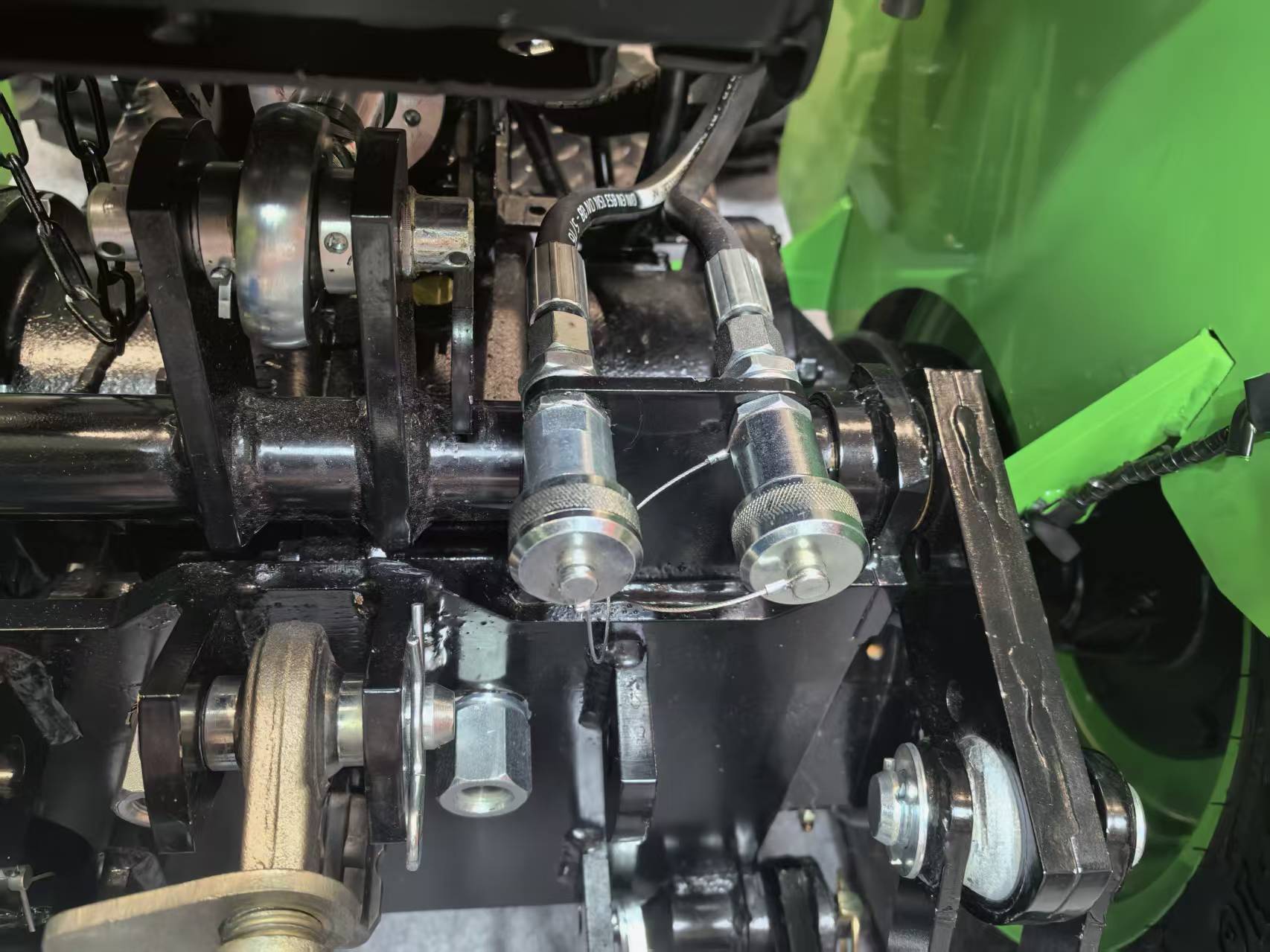
Hydraulic Quick Coupler Caps for Contamination Control & Zero-Spill By Ehhydraulic | Hydraulic Connection Engineering | Updated for Global Mobile, Industrial, OEM & Fleet Applications Hydraulic quick coupler caps are a frontline contamination-control component for any system that relies on frequent attachment changes, maintenance, transport, or storage. By sealing exposed connection interfaces immediately after disconnection, purpose-built dust caps block dirt, moisture, debris, and metal swarf from reaching critical sealing surfaces and internal valve components. This protects the flat-face interface that modern zero-spill couplers depend on, helps prevent fluid loss, and stops contaminants from entering the hydraulic circuit upstream of filtration—where they would otherwise circulate, accelerate wear in pumps, valves, and actuators, and reduce reliability. For global operators, caps are a low-cost, high-impact safeguard that supports cleaner connections, longer component life, and more predictable uptime when specified alongside ISO 16028 flat-face couplers, connect-under-pressure technology, and disciplined system design. Hydraulic contamination control is most effective when it is engineered into the system rather than managed after failures occur. The connection interface is the point where hydraulic systems are most exposed. Each time a quick coupler is disconnected—during attachment swaps, routine maintenance, component replacement, transport between job sites, or idle storage—sealing surfaces and internal valve elements are briefly open to the surrounding environment. In construction, mining, agriculture, forestry, municipal service, and industrial settings, that environment can contain airborne dust, abrasive grit, standing water, mud, vegetation, metal particles, and chemical residues. Contaminants introduced at the coupler interface are especially problematic because they can bypass filtration entirely and be carried directly into the hydraulic circuit at reconnection. Once pressurized fluid circulates, particles can score valves, damage seals, shorten pump and actuator life, and contribute to pressure instability or erratic performance. Industry guidance on hydraulic component cleanliness emphasizes that protection during storage, transport, receiving, and installation is essential; caps and plugs are among the recommended methods for protecting cleaned components and preserving system integrity from manufacture through installation. Modern flat-face hydraulic couplers rely on clean, undamaged sealing surfaces to achieve zero-spill connection and disconnection. The flat-face geometry is designed to minimize fluid exposure during connect and disconnect operations, but even small amounts of grit, moisture, or surface damage can compromise sealing integrity. The result can be leakage, pressure instability, premature seal degradation, or increased effort during connection. Quick coupler dust caps act as a physical barrier during idle periods. They protect the interface when exposure risk is highest—between operating cycles—reducing the amount of debris that can enter the system at reconnection. By preventing contamination from reaching critical contact areas, caps help flat-face couplers connect and disconnect as designed, supporting controlled pressure transitions, minimizing fluid discharge, and maintaining consistent zero-spill performance over time. From an engineering standpoint, dust caps are not merely accessories. They are an enabling component that helps ensure zero-spill coupling technology performs reliably throughout the system’s life. When specified as part of the original hydraulic connection strategy, caps reinforce the performance of flat-face couplers, multi-coupling plates, and connect-under-pressure solutions across demanding global applications. While contamination risks exist in all hydraulic applications, environmental exposure varies by use case. The role of dust caps remains the same: reduce exposure during disconnection and support a cleaner, more controlled hydraulic circuit. To maximize contamination-control benefits, dust caps should be incorporated into hydraulic system design rather than treated as an afterthought. The following practices are most effective when formalized within operating procedures and supported by engineering-led system specification. The right cap starts with the right coupler. For flat-face systems, ISO 16028 compliance defines interface dimensions that support interchangeability between compliant products of the same nominal size and series. Selecting caps designed for the specific coupler family helps maintain coverage, retention, and ease of use across the equipment fleet. Material and construction should be appropriate for the operating environment. Durable polymer caps are commonly used for hydraulic dust protection because they resist oil exposure and provide lightweight, reusable coverage. Bright colors can improve visibility, reduce the chance of loss, and support visual compliance checks during pre-shift inspections. For harsh conditions, caps should be inspected regularly and replaced if they no longer seat securely or show signs of wear. For OEMs and fleet operators, standardization is key. Specify caps at the bill-of-materials stage, include them in service kits, and train technicians to treat capping as a required step—not an optional one. This is especially important for equipment exported or operated across regions with widely different climates, dust levels, and maintenance practices. Dust caps alone do not prevent contamination. Their value is realized when they are combined with flat-face couplers, connect-under-pressure technology, and disciplined system-level specification. Contamination control is most effective when it is engineered into the hydraulic system from the start, including connection technologies, accessories, and operating practices that work together to reduce fluid loss, prevent debris ingress, and support predictable uptime. A complete strategy includes protecting exposed connection points, using compatible flat-face couplers, following ISO-aligned cleanliness practices where applicable, and maintaining a culture of cleanliness across operators, technicians, and supervisors. Routine fluid sampling and analysis can provide early warning of developing contamination issues, while documented maintenance intervals help sustain long-term hydraulic cleanliness. Hydraulic quick coupler caps are a foundational component of a zero-spill, contamination-controlled hydraulic connection strategy. By protecting exposed connection points, they help preserve sealing surfaces, support zero-spill performance, and reduce the introduction of debris during attachment changes and idle periods. When specified alongside flat-face couplers, connect-under-pressure solutions, and disciplined system design, dust caps support cleaner connections, longer component life, and more predictable uptime across demanding applications worldwide. For application-specific guidance, download drawings, or to build a hydraulic connection strategy that supports contamination control and zero-spill operation, contact the Ehhydraulic technical team today. Caps significantly reduce contamination risk by sealing the exposed coupler interface against dirt, moisture, and debris during disconnection, transport, storage, and idle periods. For best results, they should be used immediately after disconnection and combined with clean reconnection practices. Flat-face couplers depend on clean, undamaged sealing surfaces to achieve leak-free, zero-spill connection and disconnection. Grit or moisture on the interface can compromise sealing integrity, leading to leakage, pressure instability, or premature seal wear. Yes. Specifying purpose-built caps at the design or procurement stage helps standardize contamination control across fleets and regions. Tethered or retained caps further encourage consistent use in field maintenance environments.Key Takeaway
Why Contamination Control Starts at the Coupler Interface
How Hydraulic Quick Coupler Caps Support Zero-Spill Performance
Global Applications: One Function, Many Environments
Best Practices for Maximum Contamination Control
Selecting the Right Caps for Your Hydraulic Connection Strategy
Engineer Contamination Control Into the Hydraulic System
Conclusion
Frequently Asked Questions
Do hydraulic quick coupler caps really prevent contamination?
Why are flat-face couplers more sensitive to dirty sealing surfaces?
Should caps be specified for OEM and fleet equipment?