Hydraulic Quick Disconnect Solutions for Easy Equipment Retrofit
- Share
- Issue Time
- Mar 3,2026
Summary
Simplify Hydraulic Retrofits with Quick Disconnect Couplings
Highlights the core benefit ("Simplify") and uses the precise term "Couplings."
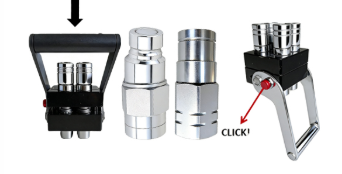
Hydraulic Quick Disconnect Solutions for Easy Equipment Retrofit
In today's fast-paced industrial environment, equipment downtime translates directly to lost productivity and revenue. Hydraulic quick disconnect solutions offer a transformative approach to equipment retrofit, enabling operators to upgrade existing machinery with modern, efficient connection systems without extensive modifications or prolonged downtime. This comprehensive guide explores how these innovative solutions can revolutionize your operations, providing detailed insights into benefits, applications, product options, and implementation strategies for global equipment owners and operators.
Why Hydraulic Quick Disconnect Solutions Are Essential for Modern Operations
The global hydraulic equipment market continues to expand as industries seek efficiency improvements through advanced connection technologies. Traditional threaded hydraulic connections require significant time, specialized tools, and skilled labor for attachment and detachment, creating bottlenecks in operations that demand frequent equipment swaps or maintenance. Quick disconnect couplings address these challenges by providing tool-free, secure connections that can be engaged and disengaged in seconds rather than minutes.
These systems are particularly valuable for equipment retrofit applications, where older machinery can be upgraded with modern connection technology without requiring complete system replacement. The retrofit approach maximizes return on existing equipment investments while delivering the efficiency benefits of contemporary hydraulic technology. According to industry data, quick couplings can reduce connection and disconnection times by up to 75%, dramatically improving operational efficiency. For industries that lose hundreds of hours annually to slow hydraulic connections, this represents a substantial opportunity for productivity enhancement and cost reduction.
Beyond time savings, quick disconnect systems enhance operational safety by minimizing fluid leakage during connection changes. This reduces environmental contamination risks and improves workplace safety by preventing slippery surfaces and potential fire hazards associated with hydraulic fluid spills. The self-sealing valves in modern quick disconnects prevent air from entering hydraulic circuits, protecting pumps from system aeration and reducing the risk of fluid contamination.
Key Benefits of Hydraulic Quick Disconnect Retrofit Solutions
Field data indicates that workplaces implementing quick disconnect fittings experience approximately 20% reduction in accidents related to hydraulic work, highlighting the significant safety improvements these systems deliver. Additionally, the reduction in fluid loss contributes to environmental compliance and reduces fluid replacement costs over the equipment's operational life.
Industry Applications and Use Cases
Hydraulic quick disconnect solutions find application across diverse industrial sectors, each with unique requirements and operational challenges:
Leading manufacturers provide industry-specific solutions tailored to these diverse applications, with products designed for skid steers, tractors, excavators, and specialized industrial equipment. The adaptability of quick disconnect systems makes them suitable for both mobile and stationary hydraulic applications across global industries.
Product Types and Technical Specifications
Understanding the available product options is essential for selecting the right retrofit solution for your equipment:
| Product Type | Key Features | Typical Applications | Pressure Range |
|---|---|---|---|
| Flat Face Couplers | Leak-free performance, easy cleaning, minimal fluid loss during disconnection | Clean room applications, environmentally sensitive areas | Up to 10,000 PSI |
| Threaded Flat Face Couplers | High-pressure impulse resistance, handles residual/trapped pressure | Heavy construction, mining equipment | Up to 13,050 PSI |
| Poppet Interchange Couplers | Automatic shut-off during disconnection, ISO standard compatibility | Agricultural equipment, general industrial | 3,000-5,000 PSI |
| Multi-Coupling Plates | Simultaneous connection of multiple lines (2-10), single-motion operation | Complex attachments, production equipment | Up to 350 bar |
| High-Pressure Couplers | Specialized designs for extreme pressure applications | Hydraulic rams, jacks, pumps | Up to 10,000 PSI |
Technical Considerations for Retrofit Applications:
- Pressure Ratings: Match coupling pressure ratings to existing system specifications. Common ranges include 3,000-5,000 PSI for general applications and up to 10,000 PSI for high-pressure systems.
- Flow Capacity: Ensure couplings support required flow rates, typically ranging from 3 GPM for small systems to 378 L/min for high-flow applications.
- Temperature Range: Standard seals typically operate from -20°C to +120°C, with specialized options available for extreme temperature applications.
- Material Compatibility: Common materials include brass, stainless steel, zinc/nickel-coated carbon steel, with selection based on fluid compatibility and environmental conditions.
- Connection Standards: ISO 7241-A/B, ISO 16028, ISO 5676, SAE, and DIN thread standards ensure interoperability between equipment and attachments.
- Seal Materials: Nitrile (NBR) for standard applications, fluorocarbon (FKM) for high-temperature or chemical resistance, polyurethane (AU) for abrasion resistance.
Retrofit Solutions and Implementation Strategies
Equipment retrofit with hydraulic quick disconnect systems follows a systematic approach to ensure successful implementation:
Assessment Phase:
Begin with a comprehensive evaluation of existing equipment, including hydraulic system specifications, current connection methods, operational requirements, and attachment change frequency. Document pressure ratings, flow rates, fluid types, and environmental conditions that will influence product selection. Consider factors like equipment age, remaining service life, and future operational needs to determine retrofit feasibility.
Product Selection:
Choose coupling types based on assessment findings. For equipment requiring frequent attachment changes with minimal fluid loss, flat face couplers provide optimal performance. For high-pressure applications or systems with residual pressure, threaded flat face or specialized high-pressure couplers may be required. Multi-coupling plates offer efficiency advantages for equipment with multiple hydraulic connections, allowing simultaneous connection of all lines with a single motion.
Installation Planning:
Develop installation procedures that minimize equipment downtime. Many retrofit solutions are specifically designed for straightforward retrofitting onto existing machines with minimal modifications. Universal mounting plates and standardized interfaces simplify installation across equipment types. Consider whether to perform retrofits during scheduled maintenance periods or as standalone projects, factoring in labor requirements and potential production impacts.
Integration Testing:
Conduct thorough testing of installed systems under operational conditions. Verify leak-free performance across pressure cycles, confirm secure locking mechanisms, and validate ease of connection/disconnection. Professional installation services ensure proper configuration and testing before equipment returns to service. Document performance benchmarks to quantify efficiency improvements and validate return on investment.
Operator Training:
Provide comprehensive training on proper use of quick disconnect systems, including connection procedures, safety precautions, and maintenance requirements. Emphasize the importance of visual inspections before connection and proper cleaning of coupling faces to prevent contamination. Develop standard operating procedures that incorporate quick disconnect usage into regular equipment operation protocols.
Case studies demonstrate that properly implemented retrofit solutions can reduce attachment change times by 50-75%, with corresponding improvements in equipment utilization and operator productivity. The return on investment typically ranges from 6-18 months depending on equipment usage patterns and labor costs.
Technical Standards and Compatibility
Adherence to international standards ensures compatibility and performance reliability across global equipment fleets:
ISO Standards:
- ISO 7241 Series A/B: Defines dimensions and performance requirements for hydraulic quick couplings, ensuring interchangeability between manufacturers. Series A specifies general industrial applications while Series B addresses agricultural equipment.
- ISO 16028: Specifications for flat face hydraulic quick couplings for general applications, emphasizing leak-free performance and environmental protection.
- ISO 5676: Agricultural quick disconnect couplings standards for tractor-implement connections, addressing the unique requirements of farming equipment.
Manufacturer Compatibility:
Many quick disconnect products offer cross-compatibility with major manufacturer lines.
Industry-Specific Standards:
Construction and agricultural equipment often follow SAE (Society of Automotive Engineers) standards for hydraulic connections, while European equipment may utilize DIN (Deutsches Institut für Normung) specifications. Understanding these standards is crucial for successful retrofit applications across global equipment fleets. Regional variations may exist in thread types, pressure ratings, and connection configurations, necessitating careful specification review during product selection.
How to Select the Right Quick Disconnect Solution
Selection Checklist:
- Determine System Requirements: Document operating pressure, flow rate, fluid type, and temperature range for your application. Consider peak pressure conditions and flow variations during equipment operation.
- Identify Connection Frequency: Equipment requiring daily or shift-based attachment changes benefits most from quick disconnect retrofits. Calculate potential time savings based on current changeover durations.
- Evaluate Environmental Conditions: Consider exposure to contaminants, extreme temperatures, corrosive elements, and physical impacts. Select materials and seals appropriate for your operating environment.
- Verify Compatibility: Ensure selected couplings match existing thread standards, port sizes, and attachment interfaces. Consider both equipment-side and attachment-side requirements.
- Consider Future Needs: Select systems that accommodate potential equipment additions or operational changes. Modular designs allow for future expansion or reconfiguration.
- Assess Safety Requirements: Prioritize systems with locking mechanisms, pressure relief features, and visual connection indicators. Consider industry-specific safety regulations and certification requirements.
- Review Maintenance Considerations: Evaluate seal replacement procedures, cleaning requirements, and expected service intervals. Consider availability of replacement parts and technical support.
- Calculate Return on Investment: Quantify potential productivity gains, downtime reduction, and labor cost savings. Include factors like reduced fluid loss, lower maintenance costs, and extended equipment life.
Leading suppliers offer technical support to help customers select appropriate solutions based on specific equipment models, operating conditions, and performance requirements. Their expertise across diverse markets—from agriculture and construction to renewable energy and manufacturing—ensures appropriate product recommendations for virtually any application.
Customization Options:
For non-standard applications or challenging configurations, manufacturers provide customized design and development services. Engineering teams create precise solutions tailored to unique customer needs, adapting to specific dimensions, pressures, or material requirements. Custom solutions may include specialized mounting configurations, unique material combinations, or application-specific sealing technologies.
Supplier Evaluation Criteria:
When selecting a quick disconnect supplier, consider factors like product range completeness, technical support availability, global distribution network, warranty terms, and industry experience. Established manufacturers with decades of experience typically offer more reliable products and comprehensive support services.
Conclusion: Transforming Equipment Performance Through Strategic Retrofit
Hydraulic quick disconnect solutions represent a strategic investment in operational efficiency, offering equipment owners and operators a proven method to enhance productivity, improve safety, and extend equipment service life. The retrofit approach provides particular value by delivering modern connection technology benefits without the capital expenditure of complete equipment replacement.
As global industries face increasing pressure to maximize productivity while controlling costs, quick disconnect systems offer measurable improvements in equipment utilization. With documented reductions in connection times up to 75%, corresponding decreases in hydraulic-related accidents, and significant environmental benefits through reduced fluid leakage, these solutions deliver comprehensive operational advantages.
The expanding hydraulic equipment market reflects growing recognition of efficiency-enhancing technologies like quick disconnect systems. By implementing strategic retrofit solutions, equipment operators position themselves to capitalize on this trend, achieving competitive advantages through improved operational flexibility, reduced downtime, and enhanced equipment performance.
Whether upgrading construction equipment for faster attachment changes, modernizing agricultural machinery for seasonal adaptability, or enhancing manufacturing systems for rapid tool changes, hydraulic quick disconnect retrofit solutions provide a practical pathway to operational excellence in today's demanding industrial environment. The combination of immediate productivity gains, long-term cost savings, and improved safety makes these solutions an essential consideration for any operation seeking to optimize hydraulic equipment performance.
As technology continues to advance, quick disconnect systems are evolving with features like electronic monitoring, automated connection verification, and smart diagnostics. These innovations promise even greater efficiency and reliability for future retrofit applications, ensuring that investments in quick disconnect technology will continue delivering value throughout the equipment lifecycle.
Ready to Transform Your Equipment Operations?
Contact hydraulic solution specialists today to discuss retrofit options for your specific equipment needs. With comprehensive product portfolios and extensive industry experience, leading manufacturers provide the expertise and solutions to optimize your hydraulic connection systems and maximize equipment productivity.
Take the first step toward enhanced operational efficiency—explore hydraulic quick disconnect retrofit solutions for your equipment today and discover how modern connection technology can transform your operations.