Hydraulic Shear Maintenance: Key Steps to Sustained High Power
- Share
- Issue Time
- Mar 25,2026
Summary
Learn the essential maintenance steps to keep your hydraulic shears operating at high power and efficiency. Ensure longevity, safety, and performance with our concise guide.
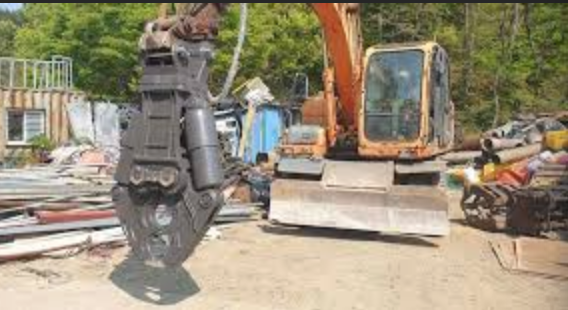
Hydraulic Shear Maintenance: Key Steps to Sustained High Power
A Comprehensive Guide to Maximizing Performance and Extending Equipment Lifespan
Executive Summary
Maintaining hydraulic shearing machines at peak performance requires a systematic approach focused on preserving hydraulic power, ensuring cutting precision, and preventing costly downtime. This guide outlines the essential maintenance practices that directly impact your machine's power output and operational efficiency. Based on industry best practices and manufacturer recommendations, these steps will help you achieve sustained high power and reliability from your hydraulic shear equipment.
Why Maintenance is Critical for Sustained High Power
- Power Preservation: Proper maintenance ensures hydraulic systems maintain optimal pressure and flow rates, directly impacting cutting force and speed
- Energy Efficiency: Well-maintained hydraulic systems operate with minimal energy loss, reducing power consumption while maintaining performance
- Component Protection: Regular maintenance prevents premature wear on pumps, valves, and cylinders that directly affect power transmission
- Cost Reduction: Proactive maintenance reduces emergency repairs and extends equipment lifespan by over 30% according to industry data
- Safety Assurance: Properly maintained equipment operates safely, preventing accidents that could damage equipment or injure personnel
Five Critical Maintenance Steps for Sustained High Power
1. Hydraulic Fluid Management: The Lifeblood of Power
Hydraulic fluid quality directly determines your machine's power output and efficiency. Contaminated or degraded fluid causes power loss, overheating, and accelerated component wear .
- Regular Fluid Analysis: Test hydraulic fluid monthly for contamination, viscosity changes, and water content. Industry studies show contamination is the leading cause of hydraulic system failure
- Scheduled Replacement: Replace hydraulic oil annually or every 2000-3000 operating hours, following manufacturer specifications for oil type and viscosity
- Filter Maintenance: Clean or replace hydraulic filters quarterly to prevent particulate contamination that acts like "sandpaper" on precision components
- Temperature Monitoring: Maintain oil temperature within recommended ranges (typically 40-60°C) to prevent viscosity breakdown and power loss
Expert Insight
"The quality of hydraulic fluid plays a pivotal role in the machine's performance. Regular testing and changing of hydraulic fluid can prevent malfunctions and ensure optimal performance." - Emily Chan, Hydraulic Technician
2. Blade Maintenance: Direct Impact on Cutting Power
Dull or misaligned blades require significantly more hydraulic power to achieve clean cuts, straining the entire system and reducing efficiency .
- Weekly Inspection: Check blade edges for dullness, chipping, or cracks. Sharp blades reduce required cutting force by up to 30%
- Proper Clearance Setting: Adjust blade gap according to material thickness using feeler gauges. Incorrect clearance increases power consumption and produces poor cuts
- Scheduled Sharpening: Sharpen blades when cutting quality deteriorates or burrs appear. Maintain original blade angle specifications during sharpening
- Balanced Replacement: Replace blades in pairs and ensure symmetrical installation to maintain cutting balance and reduce hydraulic strain
3. Hydraulic System Integrity: Preserving Power Transmission
The hydraulic pump, valves, and cylinders must operate efficiently to maintain high power output. Regular inspection prevents power leaks and pressure drops .
- Daily Leak Checks: Inspect all hydraulic connections, hoses, and seals for leaks that reduce system pressure and power
- Pump Performance Monitoring: Listen for unusual pump noises indicating cavitation or wear. Check suction lines and filters monthly
- Valve Function Verification: Test directional and relief valves quarterly for proper operation. Sticking valves reduce cutting force and efficiency
- Cylinder Seal Inspection: Check hydraulic cylinders every six months for seal wear, scratches on piston rods, and proper alignment
4. Lubrication System Optimization: Reducing Friction Losses
Proper lubrication reduces mechanical friction that consumes hydraulic power and causes premature component failure .
- Daily/Weekly Lubrication: Follow manufacturer charts for all moving components including guide rails, lead screws, and pivot points
- Correct Lubricant Selection: Use specified lubricants for different components and environmental conditions
- Automatic System Monitoring: For machines with automatic lubrication, verify system operation weekly and check reservoir levels
- Contamination Prevention: Keep lubricants clean and stored properly to prevent introducing contaminants that increase friction
5. Electrical and Control System Maintenance
Modern hydraulic shears rely on electrical controls to regulate power delivery. Proper maintenance ensures precise control of hydraulic functions .
- Monthly Electrical Inspection: Check wiring, switches, and control panels for damage, corrosion, or loose connections
- Control System Verification: Test CNC parameters, backgauge accuracy, and safety interlocks monthly
- Emergency Stop Testing: Verify all emergency stop functions work properly during weekly safety checks
- Parameter Backup: Regularly backup CNC system parameters to prevent loss of critical control settings
Comprehensive Maintenance Schedule
| Frequency | Key Tasks | Power Impact |
|---|---|---|
| Daily | Check hydraulic oil level and temperature; Inspect for leaks; Clean work area; Verify blade condition; Test emergency stops | Prevents immediate power loss from low oil or contamination |
| Weekly | Inspect blade sharpness and wear; Check hold-down operation; Verify backgauge accuracy; Lubricate moving parts; Test safety devices | Maintains cutting efficiency and reduces hydraulic strain |
| Monthly | Check hydraulic hoses and fittings; Inspect electrical components; Verify valve operation; Test cooling system; Clean oil tank breather | Prevents gradual power degradation from component wear |
| Quarterly | Replace hydraulic filters; Calibrate backgauge; Check limit switches; Inspect cylinder seals; Test pressure settings | Optimizes system pressure and flow for maximum power |
| Annually | Replace hydraulic oil; Comprehensive system check; Blade replacement/rotation; Electrical system audit; Professional inspection | Restores original power specifications and efficiency |
Common Power-Related Problems and Solutions
| Problem | Root Cause | Power Impact | Solution |
|---|---|---|---|
| Reduced Cutting Force | Insufficient hydraulic pressure; Pump wear; Valve malfunction | Direct power loss | Check pump performance; Test relief valves; Verify system pressure |
| System Overheating | Contaminated oil; Constant relief valve operation; Excessive load | Power reduction due to viscosity breakdown | Change hydraulic fluid; Adjust relief valve; Reduce operating load |
| Slow Operation | Thick hydraulic oil; Pump inefficiency; Valve sticking | Reduced speed and power | Use proper viscosity oil; Clean/replace valves; Check pump |
| High Oil Pump Noise | Air in system; Cavitation; Worn components | Power loss and component damage | Purge air; Check suction lines; Replace worn parts |
| Frequent Shutdowns | Overheating; Electrical faults; Safety device activation | Complete power interruption | Establish preventative maintenance system |
Critical Warning Signs of Power Loss
If your hydraulic shear exhibits two or more of these symptoms, it indicates significant power degradation requiring immediate attention: Noticeably sluggish motion during shearing; Rapid oil temperature rise; Increased burrs and poor cut straightness; Unstable material clamping; Increased hydraulic system leaks; Significantly increased noise at same material thickness .
Safety Considerations for Maintenance Operations
- Lockout/Tagout Procedures: Always disconnect power and use lockout devices before performing maintenance
- Personal Protective Equipment: Wear cut-resistant gloves, safety glasses, steel-toed boots, and appropriate clothing
- Blade Handling Safety: Use mechanical aids for heavy blade handling to prevent injuries
- Hydraulic Pressure Relief: Release all hydraulic pressure before working on hydraulic components
- Operator Training: Ensure only trained personnel perform maintenance tasks
- Safety Device Verification: Regularly test emergency stops, guards, and interlocks
Conclusion: Sustaining High Power Through Systematic Maintenance
Maintaining sustained high power in hydraulic shearing machines requires a disciplined, systematic approach focused on the five critical areas outlined above. By implementing regular hydraulic fluid management, blade maintenance, system integrity checks, proper lubrication, and electrical system care, you can ensure your equipment operates at peak performance levels.
The economic benefits are substantial: organizations implementing structured maintenance programs report reductions in unplanned downtime by up to 50% and lower total maintenance costs compared to reactive approaches . More importantly, proper maintenance extends the lifespan of key components by over 30% while maintaining cutting precision and power output .
Remember that maintenance is not an expense but an investment in productivity, safety, and equipment longevity. Establish a comprehensive maintenance schedule, train your personnel thoroughly, and always follow manufacturer guidelines. With proper care, your hydraulic shear will deliver sustained high power and reliable performance for years to come, maximizing your return on investment and maintaining competitive production capabilities.
Final Recommendation: Combine daily operator checks with scheduled professional inspections to create a complete maintenance ecosystem. Document all maintenance activities in a log to track performance trends and guide future maintenance planning . This proactive approach ensures your hydraulic shear maintains its power, precision, and productivity throughout its operational life.