Why Opt for a Quality Quick Coupling
- Share
- Issue Time
- Mar 18,2026
Summary
In critical fluid and pneumatic applications, the smallest component can determine your system's overall uptime and safety. Choosing a premium quick coupling isn‘t an expense—it’s a direct investment in operational continuity and long-term savings.
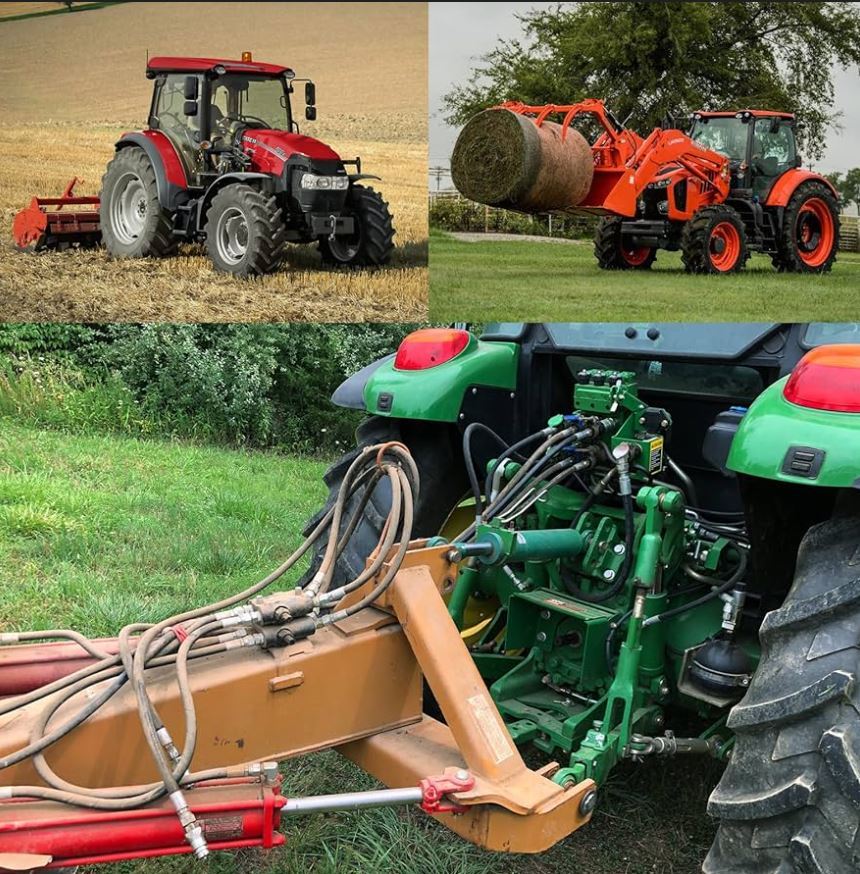
Why Opt for a Quality Quick Coupling?
In the interconnected world of industrial operations where hydraulic systems power everything from agricultural machinery to manufacturing assembly lines, the humble quick coupling serves as a critical nexus point. These seemingly simple components carry the immense responsibility of maintaining system integrity, ensuring operational safety, and facilitating efficient workflow transitions. The decision between standard and quality quick couplings represents one of the most consequential choices industrial operations managers face—a choice that reverberates through productivity metrics, safety records, environmental compliance, and ultimately, the bottom line.
The High-Stakes Reality of Hydraulic Connections
Safety Imperatives
Hydraulic systems operate under extreme pressures, often exceeding 350 bar (5,000+ psi). Inferior couplings become potential failure points where pressurized hydraulic fluid—traveling at velocities comparable to bullets—can be released with catastrophic force. Beyond immediate physical danger, hydraulic fluid mist creates inhalation hazards, while slippery surfaces from leaks increase fall risks.
Environmental Responsibility
Modern environmental regulations impose severe penalties for hydraulic fluid contamination. A single coupling leak can release hundreds of liters into soil and waterways, triggering regulatory fines exceeding €100,000 in many jurisdictions. Beyond financial penalties, environmental damage affects community relations and corporate sustainability credentials.
Operational Continuity
Production lines and field operations depend on uninterrupted hydraulic power. Coupling failures create domino effects: machinery stoppages lead to production delays, missed deadlines, contractual penalties, and customer dissatisfaction. In time-sensitive industries like agriculture and construction, weather windows and project timelines amplify these impacts.
Total Cost of Ownership
The purchase price represents merely 15-20% of a coupling's lifetime cost. The remaining 80-85% encompasses maintenance, fluid replacement, energy consumption, downtime expenses, and potential liability costs. Quality couplings transform this cost structure through extended service life and reduced failure rates.
Engineering Excellence: The Technical Advantages
Advanced Sealing Technology
Quality quick couplings incorporate multi-stage sealing systems that maintain integrity across extreme pressure fluctuations and temperature variations. Unlike standard single-seal designs, premium couplings feature primary, secondary, and tertiary sealing barriers that activate sequentially as pressure increases. This layered approach ensures zero-leak performance even during connection/disconnection cycles.
Enhanced Flow Dynamics
Internal flow path optimization distinguishes quality couplings from their standard counterparts. Computational fluid dynamics (CFD) analysis enables designs that minimize turbulence, reduce pressure drops, and maintain laminar flow characteristics. This engineering precision translates directly to energy savings and system efficiency.
Durability Engineering
Premium couplings undergo rigorous testing protocols exceeding industry standards. Accelerated life testing simulates decades of operation in months, while environmental testing validates performance across temperature extremes, corrosive atmospheres, and mechanical vibration. Material science advancements enable corrosion resistance 8-10 times greater than standard components.
Ergonomic and Safety Features
Human factors engineering transforms coupling operation from a potential hazard to an intuitive, safe process. Color-coded systems prevent misconnections, while tactile feedback confirms secure engagement. Safety lock mechanisms prevent accidental disconnection, and flat-face designs eliminate residual pressure hazards during disconnection.
Technical Specifications: Beyond Basic Requirements
Pressure Performance
- Working Pressure: 350-700 bar (5,000-10,000+ psi)
- Burst Pressure: 4:1 safety factor minimum
- Pressure Cycling: 100,000+ cycles at rated pressure
- Surge Resistance: 150% rated pressure for 1 million cycles
Material Specifications
- Body Materials: Stainless steel 316L, brass alloys, specialized composites
- Seal Materials: HNBR, FKM, EPDM, PTFE compounds
- Surface Treatments: Hard chrome plating, nickel plating, DLC coatings
- Corrosion Resistance: ASTM B117 salt spray >1000 hours
Performance Metrics
- Leakage Rate: <0.01cc during disconnection
- Flow Efficiency: Cv values 15-40% higher than standard
- Temperature Range: -54°C to +204°C (-65°F to +400°F)
- Connection Force: 20-50N depending on size and pressure
Certifications & Standards
- ISO 16028: Flat-face hydraulic couplings
- ISO 5675: Agricultural quick couplings
- ASME B1.20.1: Pipe thread standards
- ATEX/IECEx: Explosion-proof certifications
Strategic Selection Framework
Application Analysis
Begin with comprehensive operational assessment: connection frequency, environmental conditions, pressure profiles, fluid compatibility, and accessibility requirements. Document peak operating parameters rather than averages, as coupling failures typically occur during extreme conditions rather than normal operation.
Performance Specification
Establish technical requirements with appropriate safety margins: minimum pressure ratings should exceed maximum system pressure by 25-50%. Consider future system upgrades and ensure coupling specifications accommodate potential increases in operating parameters without requiring replacement.
Total Cost Evaluation
Calculate lifetime costs including maintenance intervals, expected service life, energy consumption differences, and potential downtime expenses. Quality couplings typically demonstrate 3-5 year payback periods through reduced maintenance and improved efficiency, despite higher initial investment.
Supplier Qualification
Evaluate manufacturers based on technical support capabilities, testing documentation, warranty terms, and industry reputation. Request failure mode analysis reports and accelerated life testing data to validate performance claims beyond standard specifications.
Implementation Planning
Develop phased implementation strategy beginning with critical applications, followed by systematic replacement across operations. Establish maintenance protocols, training programs, and performance monitoring systems to maximize return on investment and ensure proper utilization.
Global Industry Applications
Agriculture & Forestry
Rapid implement changes during narrow weather windows, contamination prevention in sensitive environments, and reliable performance despite dust, debris, and chemical exposure. Specialized agricultural couplings feature chemical-resistant seals and easy-clean designs.
Construction & Mining
Vibration resistance for heavy equipment, dust and moisture protection in harsh environments, and high-pressure capabilities for hydraulic breakers and compactors. Mining applications require explosion-proof certifications and extreme durability.
Manufacturing & Automation
Production line flexibility through quick tool changes, leak prevention in cleanroom environments, and precision flow control for robotic applications. Automotive manufacturing utilizes specialized couplings for testing equipment and assembly lines.
Energy & Utilities
Offshore oil platforms demand corrosion-resistant materials, while power generation facilities require high-temperature capabilities. Renewable energy applications include hydraulic systems for wind turbine adjustment and solar tracking mechanisms.
Transportation & Logistics
Container handling equipment, forklift attachments, and vehicle recovery systems benefit from quick-connect capabilities. Port operations utilize specialized couplings for ship-to-shore hydraulic connections with seawater resistance.
Food & Pharmaceutical
Hygienic designs with smooth surfaces preventing bacterial growth, materials compliant with FDA and EU regulations, and clean-in-place capabilities. Pharmaceutical applications require validation documentation and traceability.
The Quality Imperative
In an era defined by operational efficiency, environmental responsibility, and workplace safety, the selection of hydraulic quick couplings transcends component specification to become a strategic business decision. Quality couplings represent not merely a purchase but an investment—an investment in uninterrupted productivity, regulatory compliance, risk mitigation, and sustainable operations.
The differential between standard and quality couplings manifests across every operational metric: reduced downtime, lower maintenance costs, extended equipment life, improved safety records, and enhanced environmental performance. While the initial price premium for quality components may range from 30-100%, the operational savings typically reach 300-500% over a 5-year period, creating compelling financial justification alongside the safety and environmental benefits.
Global operations demand global solutions. As industrial systems become increasingly interconnected and performance expectations continue to rise, the humble quick coupling emerges as a critical determinant of operational success. The choice for quality is no longer optional—it's essential for competitive advantage in today's demanding industrial landscape.
Industry leaders recognize that hydraulic system reliability begins with connection integrity. Partner with engineering experts to evaluate your specific requirements and implement coupling solutions that transform potential failure points into pillars of operational excellence.