hydraulic pressure connection problems solutions
- Share
- Issue Time
- Mar 27,2026
Summary
Most hydraulic connection failures can be solved by methodically checking pressure release, seals, threads, alignment, and contamination. Consistent maintenance and correct installation are the best ways to avoid downtime.
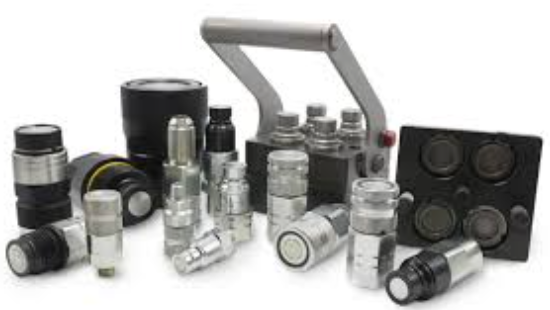
Hydraulic Pressure Connection Problems: Comprehensive Solutions for Global Operations
If you've ever struggled to connect hydraulic quick couplers on your machinery or attachments, you're not alone. Residual pressure trapped in hydraulic lines is the most common culprit behind connection difficulties, causing frustrating downtime, safety risks, and operational inefficiencies across industries from construction and agriculture to manufacturing and material handling.
This comprehensive guide explains why hydraulic pressure connection problems occur, examines traditional approaches and their limitations, and presents innovative Connect-Under-Pressure (CUP) technologies that enable safe, effortless connections even when residual pressure exists in the system.
Why Hydraulic Pressure Makes Connections Difficult
Hydraulic quick couplers are designed for fast, tool-free connection and disconnection of hydraulic attachments. However, several factors can create resistance that prevents proper connection:
Residual Pressure Trapped in Lines
The most frequent cause of connection problems is residual hydraulic pressure remaining in the system after disconnection. This occurs when attachments are disconnected while the engine is running or control valves remain engaged, trapping pressurized fluid in the lines . Even a properly shut-down system can retain pressure due to thermal effects.
Thermal Expansion Effects
Hydraulic fluid expands when heated, creating significant pressure increases in sealed systems. Equipment left in direct sunlight can experience temperature rises that generate enough pressure to completely prevent coupler connection. Research shows that a mere 1°F temperature increase can spike internal pressure by approximately 100 psi in a sealed hydraulic line .
The Physics Behind Built-Up Pressure
In a closed hydraulic circuit subject to temperature changes, internal pressure increases even when machinery isn't actively operating. When attempting to connect male and female couplers, this pressure creates resistance that makes connection impossible without specialized equipment or risky workarounds .
Consequences of Connecting Under Pressure
Attempting to force connections under pressure creates multiple operational challenges:
- Safety Hazards: Sudden pressure release can cause hydraulic fluid injection injuries, which are serious medical emergencies requiring immediate attention
- Equipment Damage: Forced connections can damage coupler seals, threads, and locking mechanisms, leading to leaks and premature failure
- Operational Downtime: Each connection attempt requires time-consuming pressure relief procedures, reducing equipment utilization
- Fluid Contamination: Improper connection methods can introduce dirt and debris into hydraulic systems
- Increased Maintenance Costs: Damaged components require replacement, while leaks waste expensive hydraulic fluid
Traditional Pressure Relief Methods and Limitations
Operators have traditionally used several methods to relieve pressure before connecting hydraulic couplers:
Manual Pressure Relief Procedures
The standard approach involves turning off the engine and cycling hydraulic control levers for the attachment multiple times. This allows trapped fluid to return to the reservoir, relieving pressure in the lines. For stubborn cases, technicians might slightly loosen fittings with a wrench while using rags to capture escaping fluid .
Limitations of Traditional Approaches
- Time-Consuming: Manual pressure relief can take several minutes per connection
- Safety Risks: Even with proper precautions, fluid release poses injury risks
- Environmental Concerns: Fluid spills contaminate worksites and require cleanup
- Inconsistent Results: Pressure may not fully release, requiring repeated attempts
- Operator Fatigue: Physical effort required can lead to shortcuts and safety compromises
Connect-Under-Pressure (CUP) Technology Solutions
EHHYDRAULIC's innovative Connect-Under-Pressure technology represents a paradigm shift in hydraulic connection systems, enabling safe, effortless connections even when residual pressure exists in hydraulic lines.
How CUP Technology Works
CUP couplers incorporate specialized valve systems that safely manage pressure during connection. Unlike traditional couplers that require complete pressure equalization before connection, CUP designs allow operators to connect hydraulic lines while pressure differentials exist, then safely equalize pressure through controlled pathways.
Types of Connect-Under-Pressure Technologies
1. Flat-Face Couplers with Internal Pressure Relief
These couplers feature advanced valve designs that discharge pressure during the connection process while maintaining system integrity. The 296 series from EHHYDRAULIC, for example, utilizes a triple-valve system that discharges pressure and increases tightness during manual coupling with residual pressure in the circuit .
2. Thread-to-Connect (Screw-Type) Flat-Face Couplers
Designed for extreme conditions, these couplers use threaded bodies to withstand strong pressure impulses and hose rotation while neutralizing premature wear and brinelling. The 296,297 and 299 series integrate triple-valve systems that enable connections under pressure .
3. Lever-Actuated Multi-Coupling Plates
Multi-coupling systems like the 2EH HYDRAULIC MUTI COUPLING SERIES combine lever mechanisms for simultaneous connection of multiple lines with pressure management technology. These systems are ideal for applications requiring frequent attachment changes with multiple hydraulic connections.
4. Attachment-Mounted Pressure-Relief Manifolds
The Saturn Block™ residual pressure relief manifold represents an integrated solution for machines with multifunction accessories. Created in collaboration with earthmoving companies, this system features a special manual valve allowing simultaneous discharge of residual pressure from all lines .
EHHYDRAULIC- CUP Product Solutions
EHHYDRAULIC offers a comprehensive range of Connect-Under-Pressure hydraulic couplers designed for various applications and pressure requirements:
296 Series Flat-Face CUP Couplers
These manual flat-face quick couplings allow connection with residual pressure in the circuit through an innovative triple-valve system. The 296 series is particularly effective for applications where temperature fluctuations create pressure variations between connections.
297 and 299 Series Thread-to-Connect Couplers
Designed for both-sides pressure connection scenarios, these screw-type flat-face couplers provide exceptional durability in heavy-duty applications. Their threaded connection mechanism ensures secure coupling even under challenging conditions.
Multi-Coupling Plate Systems
For applications requiring simultaneous connection of multiple hydraulic lines, EHHYDRAULIC's multi-coupling plates combine CUP technology with efficient lever-actuated designs. These systems significantly reduce attachment changeover times while maintaining pressure integrity.
Saturn Block™ Residual Pressure Relief Manifold
This integrated solution connects three to five hydraulic lines with a single manual valve for simultaneous pressure relief. Developed specifically for earthmoving equipment with multifunction attachments, the Saturn Block simplifies pressure management in complex hydraulic systems.
Benefits of Connect-Under-Pressure Technology
- Reduced Downtime: Eliminate time-consuming pressure relief procedures before each connection
- Improved Operator Safety: Minimize risks associated with manual pressure relief and fluid exposure
- Elimination of Risky Workarounds: Provide safe, engineered solutions instead of dangerous shortcuts
- Longer Component Service Life: Prevent damage caused by forced connections under pressure
- Faster Attachment Changeovers: Reduce equipment idle time and increase operational efficiency
- Cleaner Hydraulic Systems: Minimize fluid loss and contamination during connection procedures
Selecting CUP Couplers: Technical Considerations
Working Pressure vs. Burst Pressure
When selecting CUP couplers, understanding pressure ratings is crucial. Working pressure represents the maximum continuous pressure the coupler can withstand during normal operation, while burst pressure indicates the point at which catastrophic failure occurs. CUP couplers must be rated for both the system's working pressure and any pressure spikes that may occur during connection .
Pressure Drop and Flow Considerations
Pressure drop across couplers affects overall system efficiency. CUP technologies must maintain adequate flow characteristics while providing pressure management capabilities. Proper sizing ensures that pressure drop remains within acceptable limits for the application.
Application-Specific Selection Matrix
Different industries and applications require specific CUP solutions:
- Construction and Earthmoving: Heavy-duty couplers with high pressure ratings and robust construction
- Agriculture: Corrosion-resistant designs for humid environments with frequent attachment changes
- Manufacturing: Precision couplers for automated systems with rapid changeover requirements
- Material Handling: Compact designs for space-constrained applications with multiple connections
Maintenance Best Practices for Hydraulic Connections
Proper maintenance extends the service life of CUP couplers and ensures reliable performance:
Regular Inspection Protocols
- Visually inspect couplers for signs of wear, damage, or contamination before each use
- Check seals for cracking, flattening, or hardening that could compromise performance
- Verify that locking mechanisms engage properly and show no signs of deformation
- Monitor for fluid leaks during operation, which may indicate seal failure
Cleaning and Contamination Control
Contamination is a leading cause of hydraulic system failure. Implement these practices:
- Clean coupler ends with lint-free cloths before connection to prevent debris introduction
- Use protective caps when couplers are disconnected to prevent contamination
- Implement regular fluid analysis to detect contamination before it causes damage
- Follow manufacturer-recommended fluid change intervals and filter replacement schedules
Pressure Management During Operation
- Regularly test pressure relief valves to ensure proper operation
- Monitor pressure gauges for accurate readings and recalibrate as needed
- Follow proper shutdown procedures to minimize residual pressure accumulation
- Implement gradual pressure release during disconnection to prevent spikes
Troubleshooting Common Connection Problems
When connection difficulties persist despite using CUP technology, follow this systematic approach:
- Verify Pressure Status: Confirm that pressure relief mechanisms are functioning correctly
- Inspect for Damage: Examine coupler components for wear, cracks, or deformation
- Check Alignment: Ensure hoses and couplers are properly aligned without twisting
- Clean Connection Points: Remove any dirt, debris, or hardened fluid from mating surfaces
- Evaluate Connection Force: Apply appropriate pressure according to manufacturer specifications
- Test Under Operating Conditions: Verify connection integrity with system pressurized
Global Applications and Industry Impact
CUP technology has transformed hydraulic connection practices across multiple industries worldwide:
Construction and Earthmoving
Equipment manufacturers and operators report significant reductions in attachment changeover times, with some applications showing 70% faster connection cycles. The elimination of manual pressure relief has improved safety records while reducing fluid loss and environmental contamination.
Agricultural Operations
Farm equipment with frequent implement changes benefits from CUP technology's ability to handle temperature-induced pressure variations. Operators can change attachments throughout the day without waiting for systems to cool or manually relieving pressure.
Manufacturing and Industrial
Automated systems utilizing CUP couplers achieve higher throughput with reduced maintenance requirements. The reliability of pressure-managed connections minimizes unplanned downtime in continuous production environments.
Future Trends in Hydraulic Connection Technology
The evolution of hydraulic connection systems continues with several emerging trends:
- Smart Coupling Systems: Integration of sensors to monitor pressure, temperature, and connection status
- Automated Pressure Management: Systems that automatically equalize pressure before connection
- Enhanced Materials: Advanced composites and coatings for improved durability and corrosion resistance
- Standardization Initiatives: Industry efforts to establish universal connection protocols
- Environmental Focus: Designs that minimize fluid loss and support zero-spill operations
Conclusion: Transforming Hydraulic Connection Challenges into Operational Advantages
Hydraulic pressure connection problems have long been a source of frustration, downtime, and safety concerns across industries. Traditional pressure relief methods, while necessary, introduce inefficiencies and risks that impact operational performance. Connect-Under-Pressure technology represents a fundamental advancement in hydraulic system design, addressing the root causes of connection difficulties through engineered solutions rather than procedural workarounds.
By implementing CUP couplers from manufacturers like EHHYDRAULIC, operations can achieve significant improvements in safety, efficiency, and reliability. The technology's ability to handle residual pressure during connection eliminates time-consuming relief procedures while protecting equipment and personnel. As hydraulic systems continue to evolve toward greater automation and efficiency, pressure-managed connection technologies will play an increasingly vital role in maximizing equipment utilization and minimizing operational disruptions.
For operations experiencing hydraulic connection challenges, the solution lies not in more forceful connection attempts or extended downtime, but in adopting technologies specifically designed to manage pressure differentials safely and efficiently. The investment in CUP systems delivers returns through reduced maintenance costs, improved safety records, and enhanced operational productivity—transforming what was once a persistent problem into a competitive advantage.